
Yummy tamales and February 2
by Monica Sauza
Mexico is a country where pre-Hispanic cuisine has been perpetuated to this day. Tamales, which are a very popular dish eaten every day in Mexico, are not only part of the offerings on the Day of the Dead but also have a special symbolism on the Day of the Lady of La Candelaria.
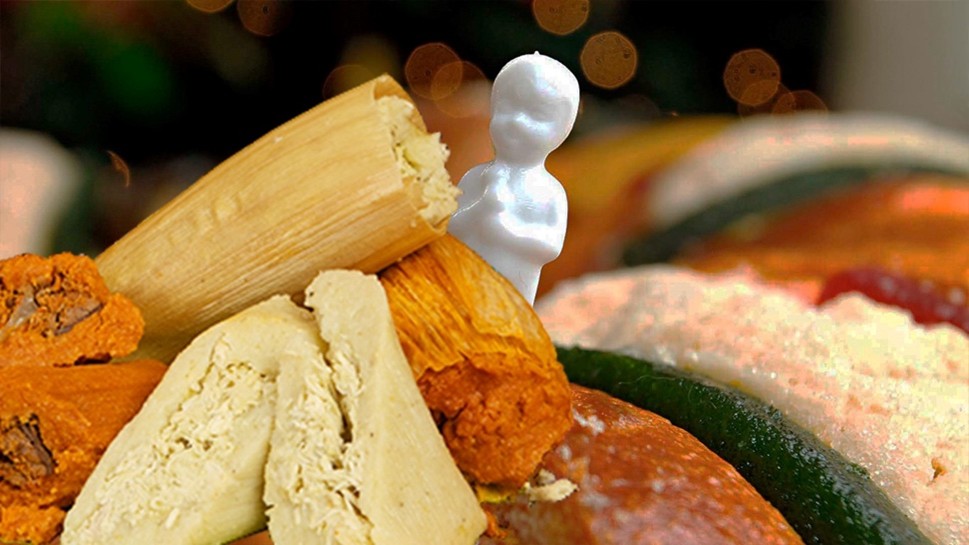
From the very diverse amalgam of pre-Hispanic traditions and Spanish evangelization comes the inclusion of the cult of the Lady of La Candelaria from Tenerife, Spain, with rituals calling for rain and bountiful corn (a lifegiving element) harvests, at a time -February- when tamales were already part of the daily food. In Spain the feast of the Lady of La Candelaria coincided with the Jewish traditions adopted by the Catholic religion, when Jesus was presented at the Tempel in Jerusalem 40 days after his birth. In Colonial times, when Epiphany (January 6) was celebrated, the crown made of bread or Rosca which hides the baby Jesus, was cut. The tradition arrived in Mexico in the 19th century. Finding the baby in the Rosca means the responsibility of dressing and presenting a figure of the baby before the temple to be blessed 40 days later, coinciding with the Day of the Lady of La Candelaria: February 2nd. The tradition evolved, and whoever finds a figurine of baby Jesus in the Rosca must invite everyone present, to eat tamales on the 2nd day of February. According to custom, this brings blessing to the person who found the baby Jesus and fulfilled their duty as godfather/godmother.
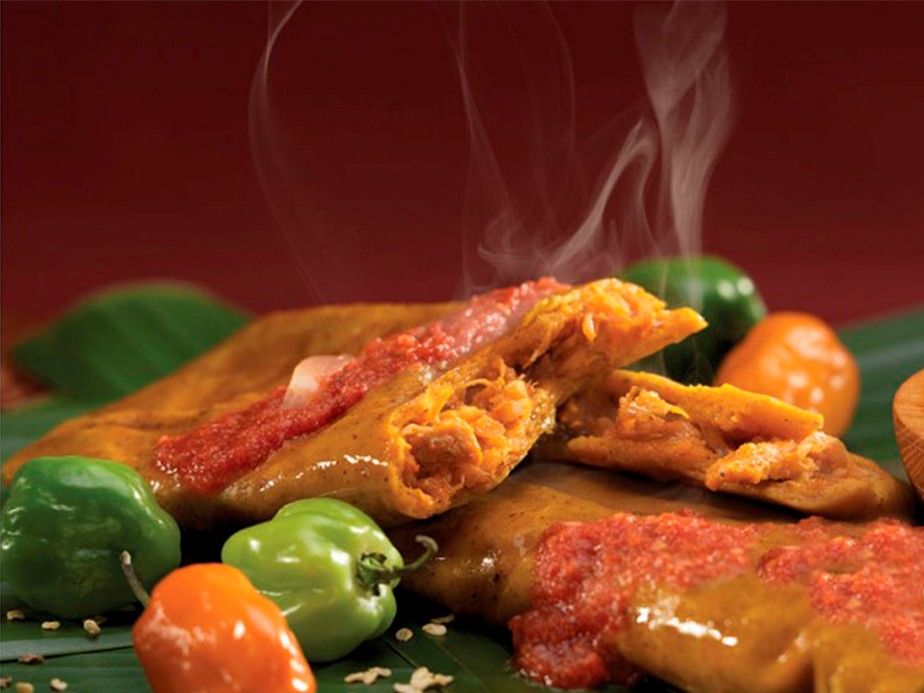
The word tamal comes from the Nahuatl tamalli, meaning wrapped. They are prepared with cooked corn dough wrapped in corn or banana leaves or other elements and can be stuffed with meat, chicken, turkey, vegetables, chili, fruit, mole, corn, etc. They can be sweet or salty and also depend on the region as there are Oaxacan, from Veracruz, Yucatecan, etc. Several historians have pointed out that tamales originated in central Mexico, as it was the birthplace of corn, a staple food of the Aztecs, Olmecs, Mayans and other Mesoamerican cultures. In Mexico it is said there are more than 500 types of tamales.
In maya, tamales are referred to in different ways depending on how they are prepared: as pib or pibilwaj (buried tamales) and to’obil jolo’och (tamales wrapped in corn husks); or waaj (or wah), which includes tortillas and corn dough foods. Among the traditional tamales of the delicious Yucatecan cuisine, the best known are: vaporcitos or torteados, made with thin dough and stuffed with chicken, pork, turkey, or ham. Tamales colados which are larger because the meat is placed on top. Brazo de reina, its dough has chaya leaves and is typical of Lent. And pib or mukbilpollo is the most famous one as it is essential during the Janal Pixan (Day of the Dead) season.
Los ricos tamales y el 2 de febrero
por Monica Sauza
México es un país donde la gastronomía prehispánica se ha perpetuado hasta la actual. Los tamales, que son un platillo muy popular y de consumo cotidiano en México, no sólo son parte de las ofrendas el Día de Muertos sino también tienen un simbolismo especial en el Día de la Virgen de La Candelaria.
De la muy variada amalgama de tradiciones prehispánicas y la evangelización española, está la incorporación del culto a la Virgen de la Candelaria procedente de Tenerife, España, con los rituales para pedir lluvias y cosechas abundantes de maíz (elemento dador de vida), en una época en la cual – febrero- los tamales ya se consumían diariamente. En España la festividad a la Virgen de La Candelaria concordaba con las tradiciones judías que la religión católica adoptó, cuando Jesús fue presentado en el Templo de Jerusalén 40 días después de su nacimiento. En la Época Colonial al celebrarse la Epifanía (6 de enero), o el Día de Reyes, se partía la corona de pan o Rosca que esconde al niño Jesús. La tradición llega a México en el siglo XIX. Haber encontrado al niño en la Rosca significa la responsabilidad vestir y presentar una figura del niño ante el templo, para bendecirlo, a los 40 días coincidiendo con el Día de la Virgen de La Candelaria, 2 de febrero. La tradición evoluciona y aquel que encuentre una figurilla del niño en la Rosca, debe invitar a todos los asistentes a comer tamales el día 2 de febrero. Según la costumbre, esto genera bendiciones para quien encontró al niño y cumplió su deber como padrino/madrina.
La palabra tamal es de origen náhuatl – tamalli – y significa envuelto. Se preparan con una masa de maíz cocida envuelta en hojas de maíz o de plátano u otros elementos y puede llevar relleno como carne, pollo, pavo, vegetales, chile, frutas, mole, elote, etc.; pueden ser dulces o salados y depende también de la región ya que hay oaxaqueños, veracruzanos, yucatecos, etc. Varios historiadores señalan que los tamales se originaron en el centro de México ya que era la cuna del maíz, alimento fundamental de los aztecas, olmecas, mayas y otras culturas mesoamericanas. Se dice que en México hay más de 500 tipos de tamales.
En maya al tamal se le refiere de varias formas: según su preparación, como pib o pibilwaj (tamal enterrado) y el to’obil jolo’och (tamal envuelto en hoja de mazorca); o waaj (o wah), que incluye a las tortillas y alimentos de masa de maíz. Entre los tamales tradicionales de la deliciosa gastronomía yucateca, los más conocidos son: los vaporcitos o torteados, de masa delgada y rellenos de pollo, puerco, pavo o cerdo. Los tamales colados, son más grandes pues la carne se coloca en la parte superior. El brazo de reina, su masa lleva hojas de chaya y es típico de la Cuaresma. Y, el pib o mukbilpollo el más famoso ya que es esencial en la época del Janal Pixan (Día de Muertos.

Otra fugitiva de la Ciudad de México. Mónica ha hecho de Cozumel su hogar definitivo. Desde su llegada en 1981, trabajo en turismo en todos los lugares habituales: hoteles, buceo, aeropuerto, ferries, hasta que se abrió la oportunidad de desempeñarse en su campo. Desde finales de la década de los años 70 Mónica ha estado traduciendo e interpretando, dedicándose plenamente a ello a partir de 1998, y ha asistido a extranjeros y locales de la Isla a establecer su residencia y sus negocios. Es traductora con gran experiencia, ávida historiadora y una gran fuente de tradiciones y leyendas locales.
- The Cordonazo de la Santa Cruz - May 1, 2026
- Biometric Curp - April 10, 2026
- Benito Juarez - March 13, 2026





Subscribe to Our Newsletter
Bringing You the Bright Side of Cozumel Every Week


The Cordonazo de la Santa Cruz
The Cordonazo de la Santa Cruz and extreme weather changes this weekend...

Cozumel History: The Day our Ship Came In
Cozumel History: The Day our Ship Came In by Ric Hajovsky In...
Mayan Legends: Jun Raqan, “the one legged”
Mayan Legends Monica Sauza Mayan Legends: Jun Raqan, “the one legged” by...
Cozumel Weather Conditions
Cozumel Weather Conditions – Current Conditions and a Weekly Snapshot Current conditions:...









Leave a comment