
Hurricanes, Power and Island Resilience — Living With the Weather
**Text & Translation By José Villalvazo**
*This is the fifth of ten articles on what life in Cozumel actually looks like — for the people who live it every day.*
—
Hurricane season is real. It is also manageable.
The island has been doing this for generations. What separates the people who handle it well from the ones who don’t is not luck. It is knowledge and preparation. This article gives you both.
—
**The Facts and the Two Storms That Defined Them**
Hurricane season runs June 1 to November 30. Peak activity falls between August and October. Significant storms affect Cozumel every few years, though the frequency has increased in recent decades — Delta, Zeta, Grace, and Beryl have all passed close to the island since 2020.
There have been endless tropical storms and many hurricanes over the decades. But two changed the island permanently.
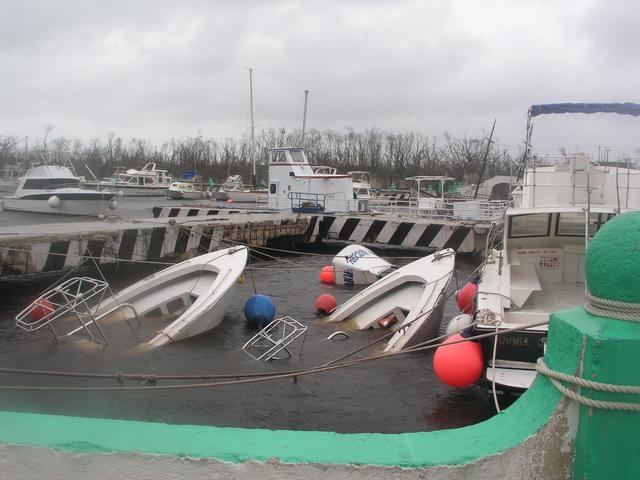
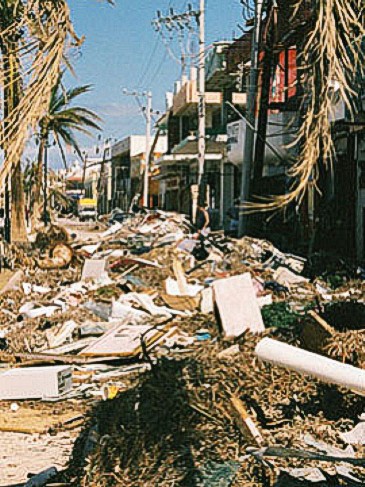
Gilbert arrived on September 14, 1988, as a Category 5 hurricane with winds exceeding 160 mph. Cozumel was the first area hit on the Yucatán Peninsula. The devastation was profound. There was no recovery plan, no target, no strategy. The island rebuilt because it had to.
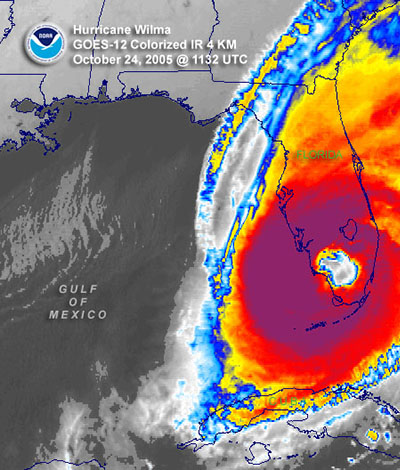
Wilma arrived on October 21, 2005, as a Category 4 hurricane making direct landfall on Cozumel. It remains the most intense Atlantic hurricane ever recorded by barometric pressure. It sat on top of the island for over 60 hours. It damaged 98 percent of the hotels in Quintana Roo. Three people died on Cozumel.
The difference between the two storms was not just their strength. It was what happened after. After Gilbert, there was no plan. After Wilma, everyone understood something Gilbert never taught them: the faster the island reconstructed, the sooner the cruise ships would return. Cruise ships came back just three weeks after Wilma. That was not luck. That was a community that finally understood what it was rebuilding for.
—
**The Hurricane Culture**
Cozumel and the Yucatán Peninsula have a genuine hurricane culture, built over generations of living with seasonal storms. This is not a place that panics. It is a place that prepares.
Civil Protection committees meet before every season. Drills happen. Shelters are identified and communicated. And when a storm does hit, something remarkable happens afterward — neighbors helping neighbors, chainsaws clearing streets together, generosity that shows up exactly when it is needed most. That response is as much a part of island life as the storms themselves.
—
**The Eye of the Storm**
This is the most important thing in this entire article. Read it carefully.
Both Gilbert and Wilma passed their eyes directly over Cozumel. When the eye arrives, the winds drop dramatically and the rain nearly stops. It feels like the storm is over.
It is not over.
This calm can last minutes or hours. The back wall of the eye brings the storm back — sometimes with equal or greater force than the first pass. Do not go outside. Do not open doors or windows. Do not assume it is safe. Wait for official all-clear from Civil Protection authorities before leaving your shelter, no matter how calm it seems outside.
—
**Power, Water, and Communications**
There are two separate conversations here, and they are not the same.
Daily power outages are more common in summer, when heat drives demand. They are normally short — an inconvenience, not a crisis.
Storm outages are a different matter entirely, and recovery follows a layered sequence. First, the ferries retreat to safe port — Puerto Aventuras, Progreso, or sometimes Cuba. Then they return once conditions allow. Then they bring in the trucks and equipment needed to repair the grid. The pier has to be operational before any of that can happen. Only then does the real work begin.
After Gilbert, electricity was fully restored about a month and a half later. After Wilma, power was back in two to three weeks — a direct result of the strategy the island had developed since 1988.
Water service returns with electricity. Cell service is a lottery — it depends entirely on the damage sustained by the towers. Internet follows cell service. Plan for all three to be gone simultaneously, and plan accordingly.
—
**Construction Quality**
Not every building on Cozumel weathered Gilbert and Wilma the same way. Concrete construction consistently outperformed structures built from local or lighter materials — a documented pattern across every major hurricane to hit the Yucatán Peninsula.
Most homes on the island are built with reinforced concrete — walls of block reinforced with steel, and roofs typically made of either Loza, a rebar-reinforced concrete slab, or the newer Viga y Bovedilla system of concrete beam and block. Both have proven themselves in serious storms.
The most vulnerable parts of any island home during a hurricane are the windows and doors. Once wind breaches a window or forces open a door, water follows, internal pressure builds, and the damage cascades from there.
Invest in the building envelope. Hurricane shutters, storm-rated glass, and properly sealed doors are not luxuries on this island. They are your first defense — and your last.
If you rent, ask the landlord what happened to the property during Wilma. If you own, invest in your windows and doors before you invest in anything else. That is where the storm will test you first.
—
**Preparation — The Honest List**
Here is the most important thing to understand before we get into the list: this is not the end of the world. It is very scary, but it is not the end of the world. Do not buy food as if no more food was coming to the island. It will come back. The ferries always come back.
Know your storm. A tropical storm, a Category 1, and a Category 5 demand completely different responses. Learn the difference before season starts, not while a storm is forming.
Listen to authorities, not gossip. Follow official announcements from Civil Protection only.
Misinformation travels faster than storms.
Water. Fill every container you own. Fill the bathtub. Make sure the rooftop water deposits — standard in most island homes — are full, with covers and connecting tubes attached and secured. A full tank is heavy enough to stay put; if the tubing fails and the water drains out, the wind can lift the empty, lightweight tank and turn it into a projectile. Water returns with electricity, so plan for it to be gone as long as the power is out. Keep bleach pills on hand to purify water if needed — they are available at local pharmacies, and the government also distributes them during hurricane season.
Food. Non-perishable items only — rice, beans, canned goods, crackers. Two to three days of smart preparation is enough. Not two to three weeks.
Medications and first aid. At least a two-week supply of any prescription medication. A fully stocked first aid kit. Everything in waterproof ziplock bags — everything will get wet.
Documents. Passports, residency cards, property deeds, insurance policies, bank documents. Ziplock bags inside a waterproof safe. This is not optional.
Power and light. Multiple battery flashlights. Extra batteries for everything. Candles and matches as backup. Charge all devices fully before the storm. A portable power bank for your phone.
Communication. An AM-FM battery-powered radio is your most important piece of equipment when cell towers are down and the internet is gone. Buy one before season. Test it.
Cash. ATMs do not work without electricity. Have cash before the storm — not after.
Vehicle. A full tank of gasoline before the storm arrives.
Windows and shutters. Hurricane shutters installed, tested, and closed before the storm. Duct tape and heavy-duty trash bags for windows without shutters — they will not stop a hurricane, but they can reduce water intrusion.
Loose objects. Every single one. Every object outside your home that is not secured can become a projectile in high winds — a flower pot, a garden hose, a chair cushion, a forgotten shoe. If it can move, bring it inside or secure it. No exceptions.
Insect repellent. Stock up before season. After a storm, standing water creates ideal mosquito breeding conditions across the island. Dengue and other mosquito-borne illnesses spike in the weeks following any major storm. This is a public health issue, not a comfort issue.
Flooding. Observe your surroundings during and after the storm. Know which areas of your neighborhood flood. Know your exit route. Do not walk or drive through standing water, under any circumstances.
Shelter. Know your nearest official Civil Protection shelter before season starts. Follow official instructions from authorities.
Pets. Food, water, medications, and carriers. Do not leave them behind.
—
**If You Leave for the Season**
If you leave the island during hurricane season, as many snowbirds do, your empty home needs its own preparation. Close and secure hurricane shutters before you leave. Turn off the water main. Confirm your insurance is current. Leave keys with a trusted neighbor or property manager who can check on the property and reach you if something happens. Secure valuables and important documents in a waterproof safe. An empty home is not a protected home.
—
**Stay or Go**
You can prepare everything on this list and still face the hardest question of all. The island is safe. Cozumel and the Yucatán Peninsula have a genuine hurricane culture built over generations, and it shows. But every person has to make their own decision — based on health, on their home, on their comfort level, and on the specific storm approaching.
There is no universal right answer. There is only the honest question: what is right for you, this time, with this storm.
—
**Did you stay or did you leave — and would you make the same decision again?**
*Drop your answer in the comments. Every story is different. Every one of them helps someone else prepare a little better.*
—
*Next: Part 6 — Safety and Crime, the Honest Picture. Because what people assume about safety on this island and what is actually true are not always the same thing.*
Huracanes, Energía Eléctrica y Resiliencia Isleña — Vivir Con el Clima
**Texto y Traducción Por José Villalvazo**
*Este es el quinto de diez artículos sobre cómo es realmente la vida en Cozumel, contada por quienes la viven todos los días.*
—
La temporada de huracanes es real. También es manejable.
La isla lleva generaciones haciendo esto. Lo que separa a quienes lo manejan bien de quienes no, no es la suerte. Es el conocimiento y la preparación. Este artículo te da ambos.
—
**Los Hechos y las Dos Tormentas Que la Definieron**
La temporada de huracanes va del 1 de junio al 30 de noviembre. La actividad máxima cae entre agosto y octubre. Las tormentas importantes afectan a Cozumel cada pocos años, aunque la frecuencia ha aumentado en las últimas décadas — Delta, Zeta, Grace y Beryl han pasado cerca de la isla desde 2020.
Ha habido incontables tormentas tropicales y muchos huracanes a lo largo de las décadas. Pero dos cambiaron la isla para siempre.
Gilberto llegó el 14 de septiembre de 1988 como un huracán categoría 5 con vientos que superaban las 160 millas por hora. Cozumel fue la primera zona golpeada en la Península de Yucatán. La devastación fue profunda. No había plan de recuperación, ni meta, ni estrategia. La isla se reconstruyó porque no tenía otra opción.
Wilma llegó el 21 de octubre de 2005 como un huracán categoría 4, tocando tierra directamente sobre Cozumel. Sigue siendo el huracán más intenso jamás registrado en el Atlántico por presión barométrica. Se quedó encima de la isla durante más de 60 horas. Dañó el 98 por ciento de los hoteles en Quintana Roo. Tres personas murieron en Cozumel.
La diferencia entre las dos tormentas no fue solo su fuerza. Fue lo que pasó después. Después de Gilberto, no había plan. Después de Wilma, todos entendieron algo que Gilberto nunca les enseñó: entre más rápido reconstruyera la isla, más pronto regresarían los cruceros. Los cruceros regresaron apenas tres semanas después de Wilma. Eso no fue suerte. Fue una comunidad que finalmente entendió para qué estaba reconstruyendo.
—
**La Cultura de Huracanes**
Cozumel y la Península de Yucatán tienen una verdadera cultura de huracanes, construida a lo largo de generaciones de vivir con tormentas estacionales. Este no es un lugar que entra en pánico. Es un lugar que se prepara.
Los comités de Protección Civil se reúnen antes de cada temporada. Se hacen simulacros. Los refugios se identifican y se comunican. Y cuando una tormenta golpea, algo notable ocurre después — vecinos ayudando a vecinos, motosierras despejando las calles en conjunto, generosidad que aparece justo cuando más se necesita. Esa respuesta es tan parte de la vida isleña como las tormentas mismas.
—
**El Ojo de la Tormenta**
Esto es lo más importante de todo este artículo. Léelo con atención.
Tanto Gilberto como Wilma pasaron sus ojos directamente sobre Cozumel. Cuando el ojo llega, los vientos bajan de golpe y la lluvia casi se detiene. Se siente como si la tormenta hubiera terminado.
No ha terminado.
Esa calma puede durar minutos u horas. La pared trasera del ojo trae la tormenta de vuelta — a veces con igual o mayor fuerza que la primera pasada. No salgas. No abras puertas ni ventanas. No asumas que es seguro. Espera el aviso oficial de que todo está despejado por parte de Protección Civil antes de salir de tu refugio, sin importar qué tan calmado se vea afuera.
—
**Energía, Agua y Comunicaciones**
Aquí hay dos conversaciones distintas, y no son lo mismo.
Los cortes de luz cotidianos son más comunes en verano, cuando el calor dispara la demanda. Normalmente son cortos — una molestia, no una crisis.
Los cortes por tormenta son otra cosa por completo, y la recuperación sigue una secuencia por etapas. Primero, los ferrys se retiran a puerto seguro — Puerto Aventuras, Progreso, o a veces Cuba. Luego regresan cuando las condiciones lo permiten. Luego traen los camiones y el equipo necesarios para reparar la red. El muelle tiene que estar operativo antes de que nada de eso pueda ocurrir. Solo entonces empieza el verdadero trabajo.
Después de Gilberto, la electricidad se restableció por completo alrededor de un mes y medio después. Después de Wilma, la luz regresó en dos o tres semanas — resultado directo de la estrategia que la isla había desarrollado desde 1988.
El servicio de agua regresa con la electricidad. La señal de celular es una lotería — depende por completo del daño que sufrieron las torres. El internet va detrás de la señal de celular. Planea que los tres se vayan al mismo tiempo, y prepárate en consecuencia.
—
**Calidad de la Construcción**
No todos los edificios en Cozumel resistieron a Gilberto y a Wilma de la misma forma. La construcción de concreto superó consistentemente a las estructuras hechas de materiales locales o más ligeros — un patrón documentado en cada huracán importante que ha golpeado la Península de Yucatán.
La mayoría de las casas en la isla están construidas con concreto reforzado — muros de block reforzados con acero, y techos hechos normalmente de losa (una placa de concreto reforzada con varilla) o del sistema más moderno de viga y bovedilla (viga de concreto y block). Ambos han demostrado su resistencia en tormentas serias.
Las partes más vulnerables de cualquier casa isleña durante un huracán son las ventanas y las puertas. Una vez que el viento rompe una ventana o fuerza una puerta, el agua entra, la presión interna se acumula, y el daño se desata desde ahí.
Invierte en el envolvente del edificio. Las persianas para huracán, el vidrio resistente a tormentas y las puertas bien selladas no son lujos en esta isla. Son tu primera defensa — y la última.
Si rentas, pregúntale al arrendador qué le pasó a la propiedad durante Wilma. Si eres dueño, invierte en tus ventanas y puertas antes que en cualquier otra cosa. Ahí es donde la tormenta te pondrá a prueba primero.
—
**La Preparación — La Lista Honesta**
Aquí está lo más importante que hay que entender antes de entrar a la lista: esto no es el fin del mundo. Da mucho miedo, pero no es el fin del mundo. No compres comida como si nunca más fuera a llegar comida a la isla. Va a regresar. Los ferrys siempre regresan.
Conoce tu tormenta. Una tormenta tropical, una categoría 1 y una categoría 5 exigen respuestas completamente distintas. Aprende la diferencia antes de que empiece la temporada, no mientras una tormenta se está formando.
Escucha a las autoridades, no a los chismes. Sigue únicamente los avisos oficiales de Protección Civil. La desinformación viaja más rápido que las tormentas.
Agua. Llena cada recipiente que tengas. Llena la tina. Asegúrate de que los tinacos en la azotea — estándar en la mayoría de las casas isleñas — estén llenos, con las tapas y los tubos de conexión bien puestos y asegurados. Un tinaco lleno pesa lo suficiente para quedarse en su lugar; si la tubería falla y el agua se vacía, el viento puede levantar el tinaco vacío y ligero y convertirlo en un proyectil. El agua regresa con la electricidad, así que planea que se vaya durante todo el tiempo que dure el corte de luz. Ten pastillas de cloro a la mano para purificar el agua si es necesario — se consiguen en las farmacias locales, y el gobierno también las distribuye durante la temporada de huracanes.
Comida. Solo productos no perecederos — arroz, frijoles, enlatados, galletas. Con dos o tres días de preparación inteligente es suficiente. No dos o tres semanas.
Medicamentos y primeros auxilios. Al menos dos semanas de reserva de cualquier medicamento con receta. Un botiquín de primeros auxilios bien surtido. Todo en bolsas ziplock a prueba de agua — todo se va a mojar.
Documentos. Pasaportes, tarjetas de residencia, escrituras, pólizas de seguro, documentos bancarios. Bolsas ziplock dentro de una caja fuerte a prueba de agua. Esto no es opcional.
Energía y luz. Varias lámparas de baterías. Baterías extra para todo. Velas y cerillos de respaldo. Carga todos tus dispositivos por completo antes de la tormenta. Una batería portátil para tu teléfono.
Comunicación. Un radio de baterías AM-FM es tu equipo más importante cuando las torres de celular están caídas y no hay internet. Cómpralo antes de la temporada. Pruébalo.
Efectivo. Los cajeros no funcionan sin electricidad. Ten efectivo antes de la tormenta — no después.
Vehículo. Tanque lleno de gasolina antes de que llegue la tormenta.
Ventanas y persianas. Persianas para huracán instaladas, probadas y cerradas antes de la tormenta. Cinta adhesiva y bolsas de basura resistentes para las ventanas sin persianas — no detendrán un huracán, pero pueden reducir la entrada de agua.
Objetos sueltos. Cada uno de ellos. Cada objeto afuera de tu casa que no esté asegurado puede convertirse en un proyectil con vientos fuertes — una maceta, una manguera, un cojín de silla, un zapato olvidado. Si se puede mover, métela o asegúrala. Sin excepciones.
Repelente de insectos. Abastécete antes de la temporada. Después de una tormenta, el agua estancada crea condiciones ideales para la reproducción de mosquitos en toda la isla. El dengue y otras enfermedades transmitidas por mosquitos se disparan en las semanas posteriores a cualquier tormenta importante. Esto es un tema de salud pública, no de comodidad.
Inundaciones. Observa tu entorno durante y después de la tormenta. Conoce qué zonas de tu colonia se inundan. Conoce tu ruta de salida. No camines ni manejes a través de agua estancada, bajo ninguna circunstancia.
Refugio. Conoce tu refugio oficial de Protección Civil más cercano antes de que empiece la temporada. Sigue las instrucciones oficiales de las autoridades.
Mascotas. Comida, agua, medicamentos y transportadoras. No las dejes atrás.
—
**Si Te Vas por la Temporada**
Si te vas de la isla durante la temporada de huracanes, como hacen muchos snowbirds, tu casa vacía necesita su propia preparación. Cierra y asegura las persianas para huracán antes de irte. Cierra la llave general del agua. Confirma que tu seguro esté vigente. Deja las llaves con un vecino de confianza o un administrador de propiedades que pueda revisar la casa y localizarte si algo pasa. Guarda objetos de valor y documentos importantes en una caja fuerte a prueba de agua. Una casa vacía no es una casa protegida.
—
**Quedarse o Irse**
Puedes preparar todo lo que hay en esta lista y aun así enfrentarte a la pregunta más difícil de todas. La isla es segura. Cozumel y la Península de Yucatán tienen una verdadera cultura de huracanes construida a lo largo de generaciones, y se nota. Pero cada persona tiene que tomar su propia decisión — basada en su salud, en su casa, en su nivel de comodidad, y en la tormenta específica que se aproxima.
No hay una respuesta correcta universal. Solo existe la pregunta honesta: qué es lo correcto para ti, esta vez, con esta tormenta.
—
**¿Te quedaste o te fuiste — y lo volverías a hacer de la misma manera?**
*Deja tu respuesta en los comentarios. Cada historia es diferente. Cada una de ellas ayuda a alguien más a prepararse un poco mejor.*
—
*Próximamente: Parte 6 — Seguridad y Delincuencia, el Panorama Honesto. Porque lo que la gente supone sobre la seguridad en esta isla y lo que realmente es cierto no siempre son lo mismo.*

- Cozumel Ex Pat Living - September 4, 2026
- Retiring Cozumel - August 21, 2026
- Cozumel Transportation - August 7, 2026






Subscribe to Our Newsletter
Bringing You the Bright Side of Cozumel Every Week


Cozumel Texas Tourism
Texas Travelers Remain a Key Market for the Mexican Caribbean Texas continues...
Cozumel Cruise Arrivals 2026: A Projected Increase
Cozumel Cruise Arrivals 2026: A Projected Increase Cozumel’s cruise ship arrivals are...
Cozumel Cruise Ship Arrivals
Cozumel Cruise Arrivals: A Bustling Week With 21 Arrivals in “Low Season”...
El Jefecino: New Ruins Discovered
El Jefeciño: A Monumental Maya City Emerges from the Jungle of Southern...






Leave a comment