

Protected on Paper
By José Villalvazo
A standalone piece.
Cozumel is wrapped in environmental law. A resident since 1983 asks why the reefs he dove in the 1980s look the way they do.
Almost Everything Is Protected
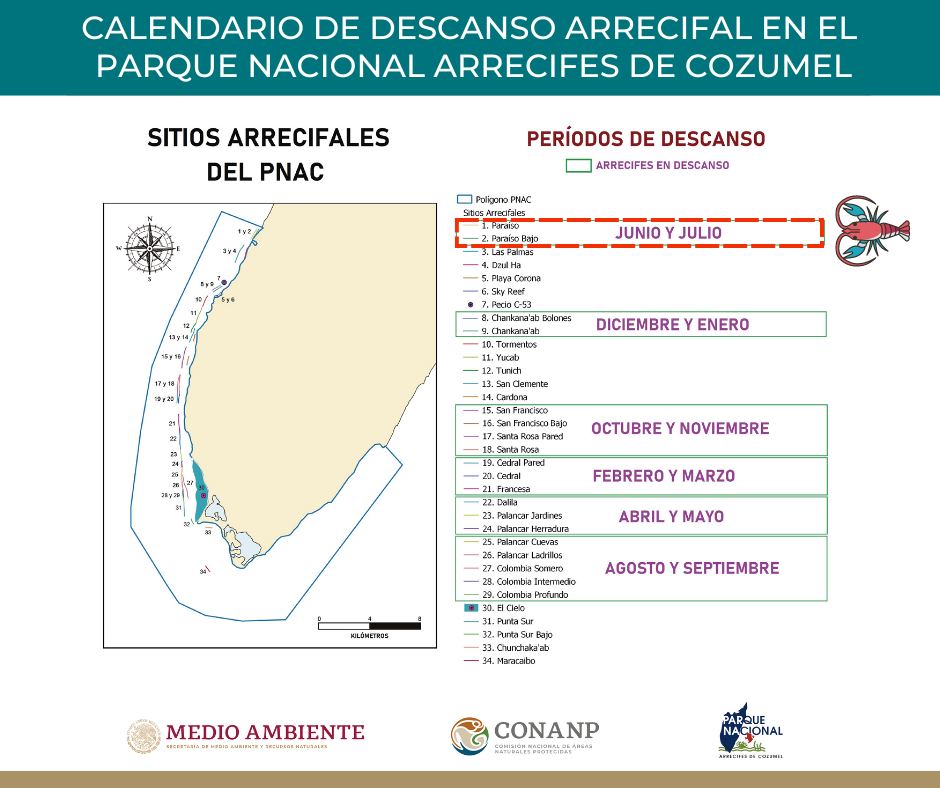
On paper, this island is well protected.
The west-coast reefs got federal protection in 1980. In 1996, they became a marine park, now a national park that wraps from Paradise Reef around the south end of the island.
Since then, the layers have piled up: a federal protected area for the north and east coasts, a state reserve for the interior, a giant marine biosphere reserve offshore, a UNESCO biosphere listing and two internationally recognized wetlands.
Local environmentalists estimate that more than 70% of the island is under some form of protection. Their estimate, not an official one.
If paperwork grew coral, we’d have the healthiest reef in the Caribbean.
So the question this article asks is simple. If it’s all protected, why does it look like this?
What Killed the Shallow Reefs
The decline I watched began at the end of the 1990s. That’s when cruise-ship snorkeling became mass production.
Cruise passengers mostly snorkel. Very few dive. With a few hours ashore, who can blame them?
And a snorkel tour wants a reef that is shallow, close and cheap to reach.
Paradise Reef is the closest reef to where the snorkel boats leave from. So it became the most visited. Dzul-Ha, which most people now call by the name of the beach club there, went the same way.
Boats aren’t the only pressure. Day-trippers ride the ferry over, rent a scooter or a car, and walk into the same reefs from the beach.
This July, the ferry had its busiest month on record. Not all of those people came for the shopping.
Now, the part that keeps this honest: people didn’t do it all.
Hurricane Wilma hit in 2005. Afterwards, a coral team working with the park found a single elkhorn coral colony left at Dzul-Ha. One.
In 2018, a fast-killing coral disease reached our reefs. It had shown up in Florida years earlier, and it hit Puerto Morelos at the same time as us.
By late 2019, the park estimated that 35% to 40% of its reefs were affected. The park director later said the disease killed about 30% of the corals that year.
In 2021, he put live coral at about 15% of the bottom. Algae covered 55%. That’s more than three times as much algae as coral.
Then came the heat. Warm water bleached reefs across the region in 2019 and again in 2023. Paradise Reef and Dzul-Ha were hit like every other reef here. How badly the island as a whole fared depends on the report you read. I don’t know which one is right.
But these two reefs carried a double load. Storms, disease and heat hit every reef on the island. Paradise Reef and Dzul-Ha took all of that, plus a crowd of snorkelers every single day.
The Law Has Teeth. Nobody Bites.
Mexico’s environmental laws are not soft.
Illegally damaging a reef or a mangrove is a federal crime. The penalty is two to ten years in prison, with more time added inside a protected area.
Mangroves can’t even be pruned unless the work protects, restores, studies or conserves them. The Supreme Court upheld that rule in 2013. And building in these zones requires federal environmental-impact approval.
The question is who enforces all this, and with what.
In 2025, the government’s first proposal for the parks agency’s 2026 budget was the lowest in 21 years. Lawmakers added money back. Even so, the 2027 proposal works out to about 16 pesos per protected hectare. Per year.
Nationally, the average ranger covers nearly 2,000 square kilometers. That’s about four Cozumels.
A few years back, the director of our park said he had four rangers and three patrol boats. I don’t know if that’s still true.
Then there’s who gets on the water. When the park was new, one group of operators opposed it. As the business grew, so did the problems. Many of the original permit holders have since sold their permits.
In September 2026, a citizen group went further. They said the agency had authorized 263 boats in the park, carrying about 4,000 passengers, ten times what the reefs can handle. And they say permits are bought and sold like property. Their claims, not official findings.
What I can tell you is what I see: a lot of boats in the park with no permit at all. Some are from the island. Some come over from the mainland. Local press reports the same thing, even during reef-rest closures.
Here’s what that looks like up close.
On December 30, 2021, a tour boat with 17 people aboard partly sank on a sandbank inside the park. It had no permit from the parks agency and none from the maritime authority.
It damaged turtle grass, a seagrass on Mexico’s official list of protected species. The park’s director said the people responsible could face three to nine years in prison. A criminal complaint was announced.
I couldn’t find out how it ended.
The citizen group’s spokesman summed it up: nothing changes because there are never consequences. I’ve been saying the same for years.
Legal Isn’t the Same as Harmless

Reefs get the photos. Mangroves do the heavy lifting.
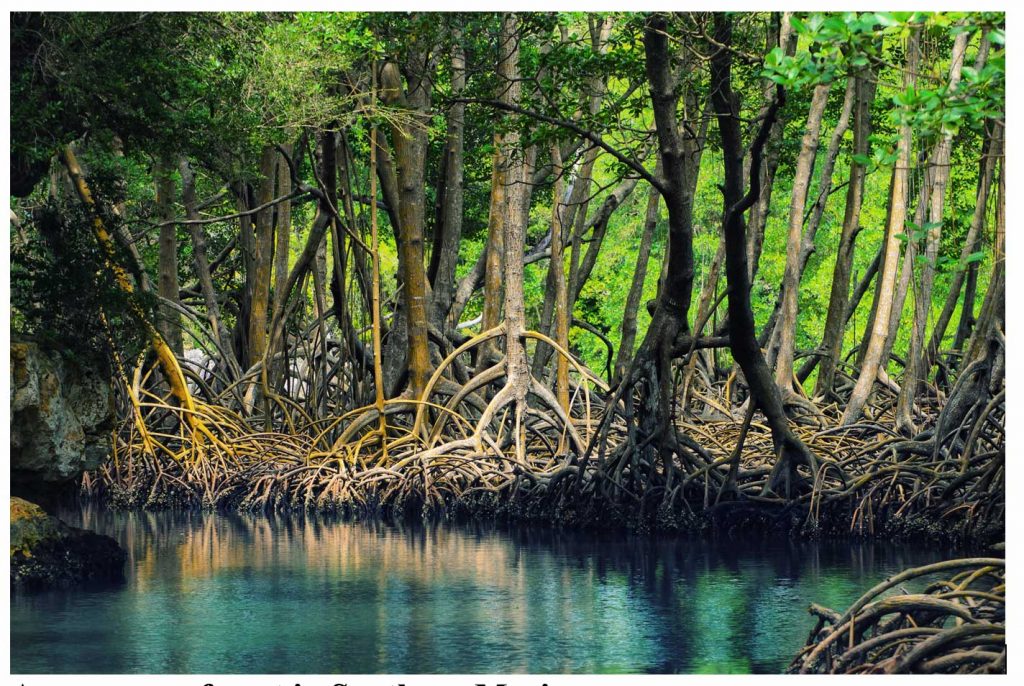
They trap sediment. They shelter the young fish the reef depends on. They soften storm surge before it reaches our homes.
A 2017 study done for the federal environment ministry estimated that reefs and mangroves make 65% of Cozumel’s residents less exposed to floods and storms.
Local environmentalists estimate that 15% to 25% of the island’s original mangrove is already damaged.
Two beach projects show the problem.
The first is a large new park in the south. It has every permit the law requires, and it’s open and running. That’s exactly the point.
Many people here question the judgment of the authorities who granted permits for that much mangrove loss. Legal and harmless are two different words.
The second is a cruise line’s planned beach club on one of the last public beaches on the island’s west side. Its own environmental study admits severe damage, mangroves included. As far as I can find, it has not been approved.
In May, Mexico’s environment secretary said the same company’s project in Mahahual, on the mainland, will not be approved. We’ll see if Cozumel gets the same answer.
Water is the other worry. Cozumel has no rivers. The ground is porous limestone, and what goes into it can reach the aquifer and, eventually, the coast.
In June 2026, an environmental group alleged that the island’s main treatment plant was leaking into mangroves in the north. The water agency denies it. In fairness, in 2025 the state announced about 113 million pesos to double that plant’s capacity.
The Day I Saw It
By 2011, the snorkel boom was more than a decade old, and Wilma had come and gone. My daughter was six, old enough to snorkel.
I took her to Dzul-Ha. I expected to show her the incredible place I remembered.
I found bare ground and a few fish.
What Actually Worked
This isn’t all bad news.
At El Cielo, visitors used to pick up starfish for photos. Then the photos landed on social media, where people were identified and publicly shamed. Today, operators there keep hands off.
The internet turned out to be a pretty good park ranger.
El Cielo was also closed for a while in 2019, along with Palancar and Colombia. The official reason was the coral disease.
Since 2019, the park has rotated closures to let reefs rest. The idea is sound. But no public studies of the results have been published, and the closures cover the southern reefs. Never Paradise Reef. Never Dzul-Ha.
There have been real enforcement wins, too. In 2025, federal inspectors shut down two unpermitted developments on the island. This year, the city also refused to back another proposed beach club in the southwest, saying it would destroy mangroves. Neighbors went to court and stalled a fourth cruise pier.
Restoration comes in two kinds. Some programs are regulated and backed by scientific studies. Others are concrete structures, shaped to attract fish and coral. After Wilma, dozens of them were placed at Dzul-Ha.
To be fair to the other side, some operators still list Paradise Reef among the healthy sites. Maybe the deeper sections hold up better. The Paradise Reef I knew in the 1980s is gone.
What You Can Do
You can’t fix the budget. You can do the right thing in the water.
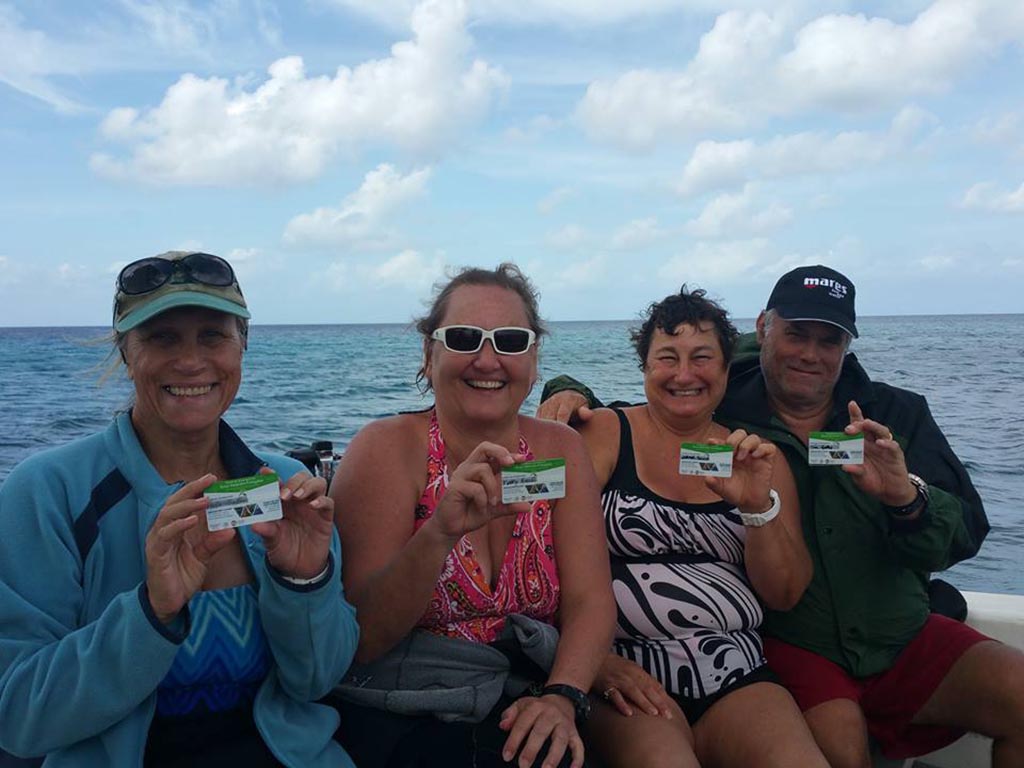
Pay your entrance to the protected area. The daily pass is a bracelet, usually handled by your tour operator, and each person should get one. If you go with an operator, ask for yours.
If you’re in the park often, ask about the annual pass. I don’t know how well the fee reaches people who walk in from the beach.
Why bother? A 2021 study estimated that raising the reef fee from two dollars to six could fully fund proper park management. The same study found visitors would pay about 190 dollars per visit to keep the reef’s variety of life from declining.
Four dollars more, against 190. Not a hard sell.
Don’t touch. Don’t stand on the reef. Don’t feed the fish. Leave the starfish where they are. Choose operators who say the same.
It’s protected on paper. The rest is up to us.
Tom and I never found the golden weight. Forty years later, I’d settle for finding the fans.
Last time you got in the water here, did you ask for your bracelet?
Protegido en el papel
Por José Villalvazo
Un artículo independiente.
Cozumel está envuelto en leyes ambientales. Un residente desde 1983 se pregunta por qué los arrecifes en los que buceaba en los años ochenta se ven como se ven hoy.
Casi todo está protegido
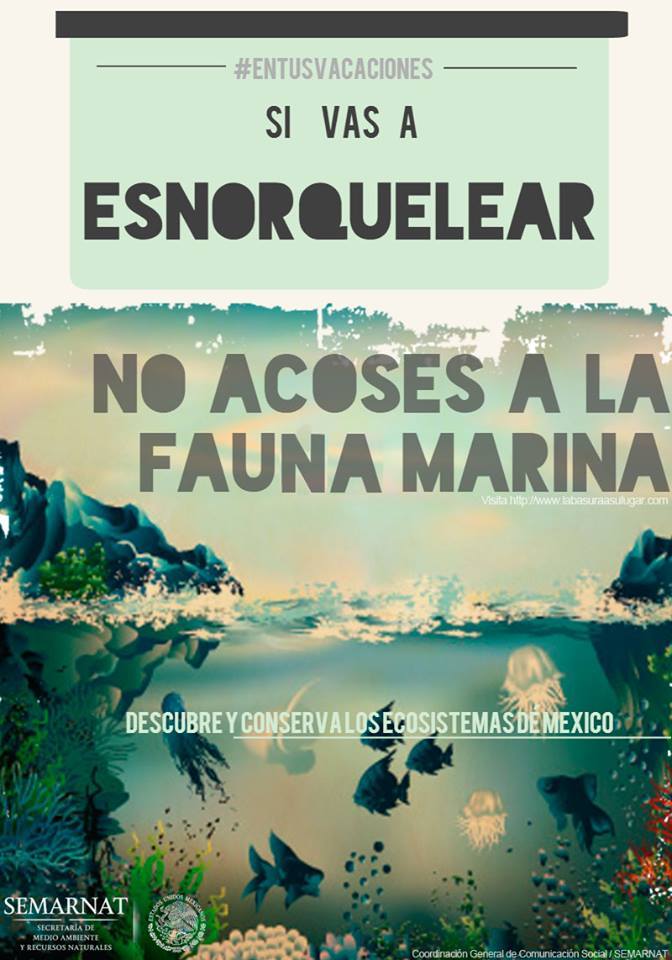
En el papel, esta isla está bien protegida.
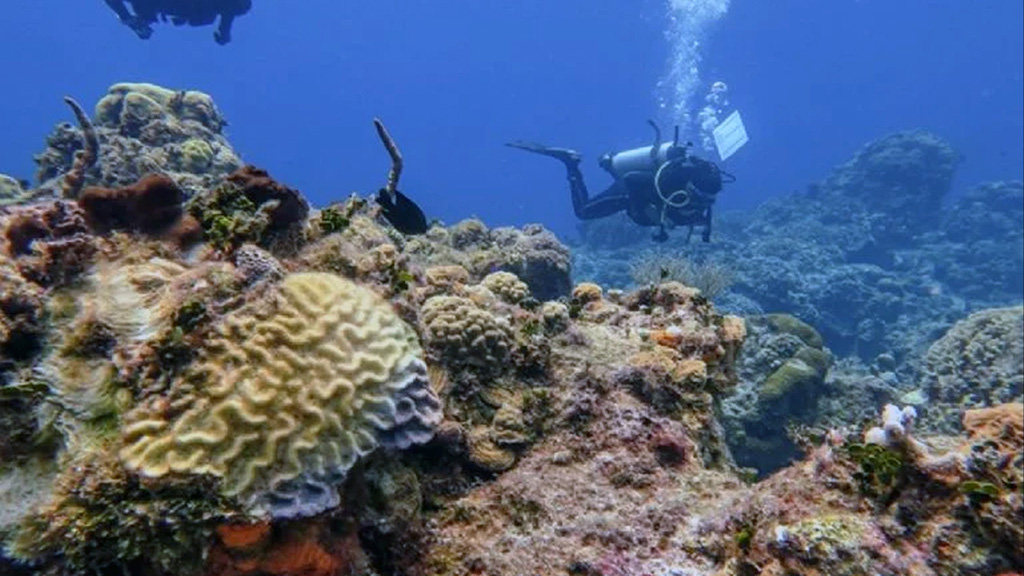
Los arrecifes de la costa oeste recibieron protección federal en 1980. En 1996 se convirtieron en un parque marino, hoy un parque nacional que se extiende desde el arrecife Paraíso hasta rodear el extremo sur de la isla.
Desde entonces, las capas de protección se han ido acumulando: un área federal protegida para las costas norte y este, una reserva estatal en el interior, una enorme reserva de la biosfera marina mar adentro, una designación de la UNESCO como reserva de la biosfera y dos humedales reconocidos internacionalmente.
Ambientalistas locales calculan que más del 70% de la isla está bajo alguna forma de protección. Es su estimación, no una cifra oficial.
Si los trámites hicieran crecer coral, tendríamos el arrecife más saludable del Caribe.
Así que la pregunta de este artículo es sencilla: si todo está protegido, ¿por qué se ve así?
Qué acabó con los arrecifes poco profundos
El deterioro que vi comenzó a finales de los años noventa. Fue cuando el esnórquel para pasajeros de cruceros se convirtió en producción en masa.
La mayoría de los pasajeros de cruceros hacen esnórquel. Muy pocos bucean. Con apenas unas horas en tierra, ¿quién puede culparlos?
Y un tour de esnórquel busca un arrecife poco profundo, cercano y barato de alcanzar.
Paraíso es el arrecife más cercano al punto de salida de las lanchas de esnórquel. Por eso se convirtió en el más visitado. Dzul-Ha, que hoy la mayoría conoce por el nombre del club de playa que está ahí, siguió el mismo camino.
Las lanchas no son la única presión. Los visitantes que vienen por el día cruzan en ferry, rentan una moto o un auto y entran a los mismos arrecifes desde la playa.
Este julio, el ferry tuvo su mes más concurrido registrado. No toda esa gente vino de compras.
Ahora, la parte que hace justo este relato: la gente no lo hizo todo.
El huracán Wilma golpeó en 2005. Después, un equipo de especialistas en coral que trabajaba con el parque encontró una sola colonia de coral cuerno de alce en Dzul-Ha. Una.
En 2018 llegó a nuestros arrecifes una enfermedad del coral que mata rápidamente. Había aparecido en Florida años antes y llegó a Puerto Morelos al mismo tiempo que a nosotros.
Para finales de 2019, el parque calculaba que entre el 35% y el 40% de sus arrecifes estaban afectados. Después, el director del parque dijo que la enfermedad había matado aproximadamente al 30% de los corales ese año.
En 2021, calculó que el coral vivo cubría alrededor del 15% del fondo. Las algas cubrían el 55%. Más de tres veces la cobertura del coral.
Después llegó el calor. El agua cálida blanqueó arrecifes de toda la región en 2019 y nuevamente en 2023. Paraíso y Dzul-Ha fueron golpeados como cualquier otro arrecife de aquí. La gravedad del daño en toda la isla depende del informe que leas. No sé cuál tiene razón.
Pero estos dos arrecifes soportaron una doble carga. Las tormentas, las enfermedades y el calor golpearon todos los arrecifes de la isla. Paraíso y Dzul-Ha recibieron todo eso, además de multitudes de esnorquelistas todos los días.
La ley tiene dientes. Nadie muerde.
Las leyes ambientales de México no son blandas.
Dañar ilegalmente un arrecife o un manglar es un delito federal. La pena es de dos a diez años de prisión, con tiempo adicional cuando ocurre dentro de un área protegida.
Ni siquiera se pueden podar los manglares, salvo que el trabajo sea para protegerlos, restaurarlos, estudiarlos o conservarlos. La Suprema Corte confirmó esa regla en 2013. Además, construir en estas zonas requiere autorización federal en materia de impacto ambiental.
La pregunta es quién hace cumplir todo esto y con qué recursos.
En 2025, la primera propuesta del gobierno para el presupuesto de 2026 de la agencia encargada de los parques fue la más baja en 21 años. Los legisladores devolvieron parte del dinero. Aun así, la propuesta para 2027 equivale a unos 16 pesos por hectárea protegida. Al año.
En el país, cada guardaparques cubre en promedio casi 2,000 kilómetros cuadrados. Eso equivale a unas cuatro veces Cozumel.
Hace unos años, el director de nuestro parque dijo que tenía cuatro guardaparques y tres lanchas de vigilancia. No sé si sigue siendo así.
Luego está quién sale al agua. Cuando se creó el parque, un grupo de prestadores de servicios se opuso. A medida que creció el negocio, también crecieron los problemas. Muchos de los titulares originales de permisos ya los vendieron.
En septiembre de 2026, un grupo ciudadano fue más allá. Afirmó que la agencia había autorizado 263 embarcaciones dentro del parque, con capacidad para unos 4,000 pasajeros, diez veces más de lo que los arrecifes pueden soportar. También sostiene que los permisos se compran y venden como si fueran propiedades. Son sus afirmaciones, no conclusiones oficiales.
Lo que sí puedo contar es lo que veo: muchas embarcaciones dentro del parque sin permiso alguno. Algunas son de la isla. Otras vienen del continente. La prensa local informa lo mismo, incluso durante los cierres temporales de arrecifes.
Así se ve el problema de cerca.
El 30 de diciembre de 2021, una lancha turística con 17 personas a bordo se hundió parcialmente sobre un banco de arena dentro del parque. No tenía permiso de la agencia de parques ni de la autoridad marítima.
Dañó pasto de tortuga, una especie de pasto marino incluida en la lista oficial de especies protegidas de México. El director del parque dijo que los responsables podrían enfrentar de tres a nueve años de prisión. Se anunció una denuncia penal.
No pude averiguar cómo terminó el caso.
El portavoz del grupo ciudadano lo resumió así: nada cambia porque nunca hay consecuencias. Llevo años diciendo lo mismo.
Que sea legal no significa que no haga daño
Los arrecifes se llevan las fotos bonitas. Los manglares hacen el trabajo pesado.
Atrapan el sedimento. Dan refugio a los peces jóvenes de los que depende el arrecife. Reducen la fuerza de las marejadas antes de que lleguen a nuestras casas.
Un estudio de 2017 realizado para la Secretaría de Medio Ambiente estimó que los arrecifes y los manglares hacen que el 65% de los habitantes de Cozumel esté menos expuesto a inundaciones y tormentas.
Ambientalistas locales calculan que entre el 15% y el 25% del manglar original de la isla ya está dañado.
Dos proyectos de playa muestran el problema.
El primero es un parque grande en el sur. Tiene todos los permisos que exige la ley, y está abierto y funcionando. De eso se trata justamente.
Mucha gente aquí cuestiona el criterio de las autoridades que autorizaron semejante pérdida de manglar. Legal y que no haga daño son dos cosas muy distintas.
El segundo es un club de playa que una naviera planea construir en una de las últimas playas públicas que quedan en el lado oeste de la isla. Su propio estudio ambiental reconoce que causaría daños graves, incluidos los manglares. Hasta donde he podido averiguar, no ha sido autorizado.
En mayo, la secretaria de Medio Ambiente de México dijo que el proyecto de esa misma empresa en Mahahual, en el continente, no será autorizado. Ya veremos si Cozumel recibe la misma respuesta.
El agua es la otra preocupación. Cozumel no tiene ríos. El suelo es piedra caliza porosa, y lo que entra en él puede llegar al acuífero y, tarde o temprano, a la costa.
En junio de 2026, un grupo ambientalista denunció que la principal planta de tratamiento de la isla tenía fugas hacia los manglares del norte. La agencia del agua lo niega. En justicia, en 2025 el gobierno estatal anunció unos 113 millones de pesos para duplicar la capacidad de esa planta.
El día que lo vi
Para 2011, el auge del esnórquel llevaba más de una década y Wilma ya había pasado. Mi hija tenía seis años, edad suficiente para ponerse un visor y hacer esnórquel.
La llevé a Dzul-Ha. Esperaba enseñarle el lugar increíble que yo recordaba.
Encontré el fondo pelón y unos cuantos peces.
Lo que sí ha funcionado
No todo son malas noticias.
En El Cielo, los visitantes acostumbraban sacar estrellas de mar del agua para tomarse fotos. Después, esas fotos aparecían en redes sociales, donde identificaban y exhibían públicamente a los responsables. Hoy, los prestadores de servicios de ahí procuran que nadie las toque.
Internet resultó ser un guardaparques bastante efectivo.
El Cielo también estuvo cerrado durante un tiempo en 2019, junto con Palancar y Colombia. El motivo oficial fue la enfermedad del coral.
Desde 2019, el parque ha ido turnando cierres para dejar descansar a los arrecifes. La idea es buena. Pero no se han publicado estudios públicos sobre los resultados, y los cierres cubren los arrecifes del sur. Nunca Paraíso. Nunca Dzul-Ha.
También ha habido resultados reales en la aplicación de la ley. En 2025, inspectores federales clausuraron dos desarrollos sin permiso en la isla. Este año, el ayuntamiento también se negó a respaldar otro club de playa propuesto para el suroeste, argumentando que destruiría manglares. Los vecinos acudieron a los tribunales y frenaron un cuarto muelle de cruceros.
La restauración viene en dos formas. Algunos programas están regulados y respaldados por estudios científicos. Otros consisten en estructuras de concreto diseñadas para atraer peces y coral. Después de Wilma, colocaron docenas de ellas en Dzul-Ha.
Para ser justos con la otra parte, algunos prestadores de servicios todavía incluyen Paraíso entre los sitios saludables. Quizá las zonas más profundas resistan mejor. El Paraíso que conocí en los años ochenta ya no existe.
Lo que puedes hacer tú

No puedes arreglar el presupuesto. Lo que sí puedes hacer es comportarte a la altura cuando estés en el agua.
Paga tu entrada al área protegida. El pase del día es un brazalete que normalmente gestiona tu operador turístico, y cada persona debería tener el suyo. Si vas en un tour, pide el tuyo.
Si visitas el parque con frecuencia, pregunta por el pase anual. No sé qué tan bien llega el cobro a las personas que entran caminando desde la playa.
¿Para qué molestarse? Un estudio de 2021 calculó que subir la tarifa del arrecife de dos a seis dólares alcanzaría para financiar un manejo adecuado del parque. El mismo estudio encontró que los visitantes estarían dispuestos a pagar unos 190 dólares por visita para evitar que siguiera disminuyendo la diversidad de vida en el arrecife.
Cuatro dólares más, frente a 190. No es una venta difícil.
No toques. No te pares sobre el arrecife. No alimentes a los peces. Deja las estrellas de mar donde están. Elige prestadores de servicios que exijan lo mismo.
Está protegido en el papel. Lo demás nos toca a nosotros.
Tom y yo nunca encontramos el plomo dorado. Cuarenta años después, me conformaría con volver a encontrar los abanicos.
La última vez que te metiste al agua aquí, ¿pediste tu brazalete?

















Leave a comment