

Huitlacoche: Gourmet, Good for You, and Very Much at Home in Mexico
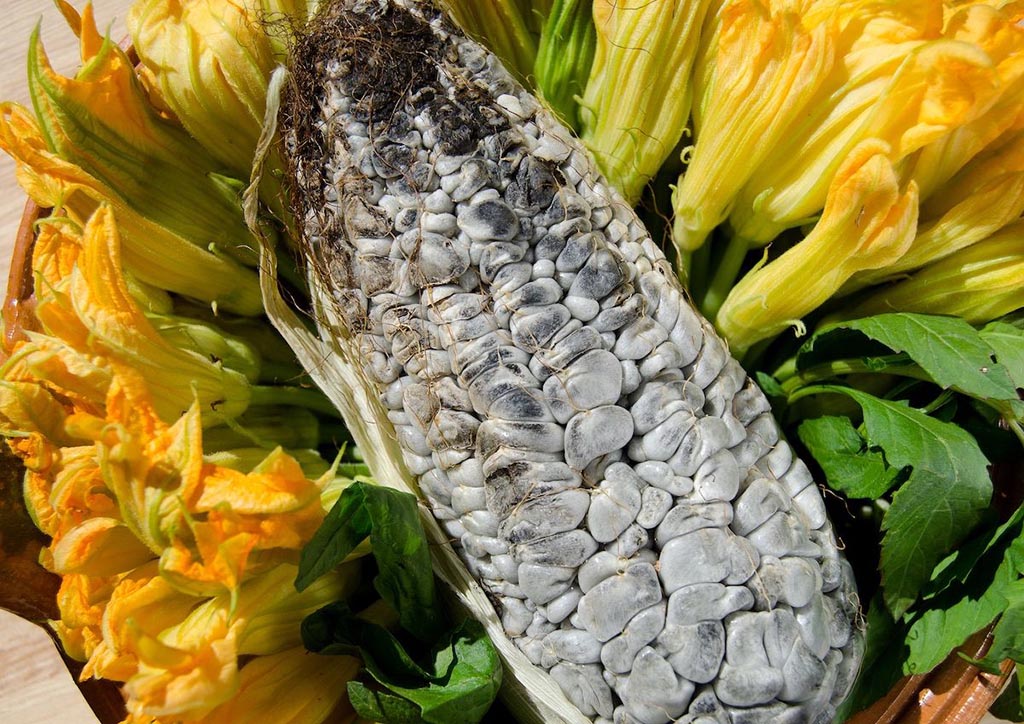
By the time the morning heat settles over the island here in Cozumel, the corn trucks have already made their rounds. Stacked high with pale yellow ears, they look ordinary enough—until you spot one split open with something unexpected inside: soft, gray, cloud-like blooms clinging to the kernels. This is huitlacoche, one of Mexico’s most misunderstood treasures and, quietly, one of its most prized ingredients.
Huitlacoche—sometimes lovingly called “corn truffles”—is a fungus that grows naturally on corn. North of the border, it’s better known by the far less flattering name “corn smut,” and for decades U.S. farmers have spent serious money trying to wipe it out. Here in Mexico, though, huitlacoche has never been an enemy. It’s been dinner.
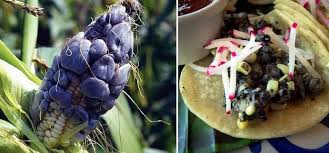
Ask around at a local market and you’ll hear the same thing: folded into quesadillas with melty Oaxaca cheese, tucked into tamales, spooned into earthy sauces, huitlacoche brings a deep, almost mushroom-like flavor—smoky, mineral-rich, and comforting. It’s not flashy. It doesn’t shout. It just tastes… right.
What’s interesting is how the rest of the world is finally catching up. Upscale Mexican restaurants in Texas, New York City, and Los Angeles are now treating huitlacoche like culinary gold. Gourmet chefs reportedly pay up to $40 USD per kilo to work it into sauces, fillings, and modern tasting menus. The same fungus once sprayed out of American cornfields is now plated with tweezers and reverence.
And it turns out huitlacoche isn’t just delicious—it’s genuinely good for you. A study published in Food Chemistry found that huitlacoche contains unique proteins and minerals not present in corn itself. Among them is lysine, an essential amino acid many plant-based diets lack, and beta-glucan, a compound shown to help reduce cholesterol. Not bad for something that looks like it came from another planet.
Yes, its appearance can be off-putting at first. Gray, bubbly, a little alien. But that’s part of the magic. Like blue cheese, truffles, or oysters, huitlacoche asks you to get past the looks and trust the locals. In return, it gives you something rich, nourishing, and deeply tied to the land.
Here on the island, no one’s calling it trendy or exotic. It’s just another reminder that Mexico has always known what the rest of the world is still figuring out: sometimes the best things grow in the most unexpected forms.

Huitlacoche: Gourmet, saludable y profundamente mexicano
Para cuando el calor de la mañana se asienta sobre la isla aquí en Cozumel, los camiones de maíz ya hicieron sus recorridos. Van cargados de mazorcas amarillo pálido que parecen comunes y corrientes… hasta que una se abre y revela algo inesperado en su interior: suaves formaciones grises, casi nubosas, adheridas a los granos. Eso es el huitlacoche, uno de los tesoros más incomprendidos de México y, silenciosamente, uno de sus ingredientes más apreciados.
El huitlacoche—llamado cariñosamente por algunos “la trufa del maíz”—es un hongo que crece de manera natural en el maíz. En Estados Unidos se le conoce por el poco atractivo nombre de corn smut, y durante décadas los agricultores han gastado miles de dólares intentando erradicarlo. Aquí en México, en cambio, nunca ha sido un enemigo. Siempre ha sido comida.
Basta con preguntar en un mercado para escuchar la misma historia: doblado dentro de quesadillas con queso Oaxaca derretido, envuelto en tamales o integrado en salsas profundas y terrosas, el huitlacoche aporta un sabor intenso, casi como de hongo silvestre—ahumado, mineral y reconfortante. No es estridente. No presume. Simplemente sabe… bien.
Lo interesante es cómo el resto del mundo por fin está alcanzando a México. Restaurantes mexicanos de alta cocina en Texas, Nueva York y Los Ángeles ahora tratan al huitlacoche como oro culinario. Se dice que chefs gourmet en Estados Unidos pagan hasta 40 dólares por kilo para incorporarlo en salsas, rellenos y menús de degustación contemporáneos. El mismo hongo que antes se fumigaba en los campos de maíz ahora se sirve con pinzas y respeto.
Y resulta que el huitlacoche no solo es delicioso—también es muy nutritivo. Un estudio publicado en la revista Food Chemistry demostró que contiene proteínas únicas y minerales que no se encuentran en el maíz original. Entre ellos están la lisina, un aminoácido esencial que suele faltar en muchas dietas basadas en plantas, y el beta-glucano, un compuesto que ha demostrado ayudar a reducir el colesterol. Nada mal para algo que parece de otro planeta.
Sí, su apariencia puede resultar extraña al principio. Gris, burbujeante, un poco alienígena. Pero eso forma parte de su encanto. Al igual que el queso azul, las trufas o los ostiones, el huitlacoche te pide que dejes de lado la apariencia y confíes en los locales. A cambio, te ofrece algo rico, nutritivo y profundamente ligado a la tierra.
Aquí en la isla, nadie lo llama “tendencia” ni “exótico”. Es simplemente otro recordatorio de que México siempre ha sabido lo que el resto del mundo aún está descubriendo: a veces, las mejores cosas crecen en las formas más inesperadas. 🌽✨

______________________________
Una ex yanqui de Connecticut quien llama hogar a Cozumel desde hace más de 15 años. Laura escapó al Caribe hace años, desplazándose de una isla a otra dando clases de BUCEO. Se dedicó a perder el tiempo en Jamaica y finalmente se detuvo en Cozumel para pasar unas vacaciones de 2 semanas que aún no terminan. Convenciendo a sus padres que pagaran una elegante universidad privada, obtuvo su título en Periodismo y Laura crea semanalmente Cozumel 4You, medios sociales y artículos promocionales sobre la Isla y también es moderadora en el grupo Cozumel 4 You en Facebook que actualmente cuenta con 25,000 miembros. Fabián, s umuy tolerante marido, desde hace mucho tiempo se resignó a no tener vida privada, pues se ha visto implicado en los diversos proyectos y planes que urde Laura. Son orgullosos padres de diversos perros y gatos rescatados. Mientras contempla su paso a través de la vida en el Caribe mexicano,Laura continúa siendo la pesadilla en la existencia de su muy tradicional suegra mexicana.
- French Frigate Cozumel - April 3, 2026
- Cozumel Osprey - April 3, 2026
- Cozumel Marine Park - April 3, 2026






Subscribe to Our Newsletter
Bringing You the Bright Side of Cozumel Every Week



$10 and $20 peso coins coming into circulation in 2026
by Monica Sauza Although they may not look different, the materials used...
Cozumel Digital License
How to Obtain a Digital Copy of your Cozumel Drivers License The...

New Mobility Rules, Royal Beach Club Impact, and Environmental Ruling against Calica.
Text & Translation by Moises JH & Tono Lopez Cozumel Mobility Update:...







Leave a comment