

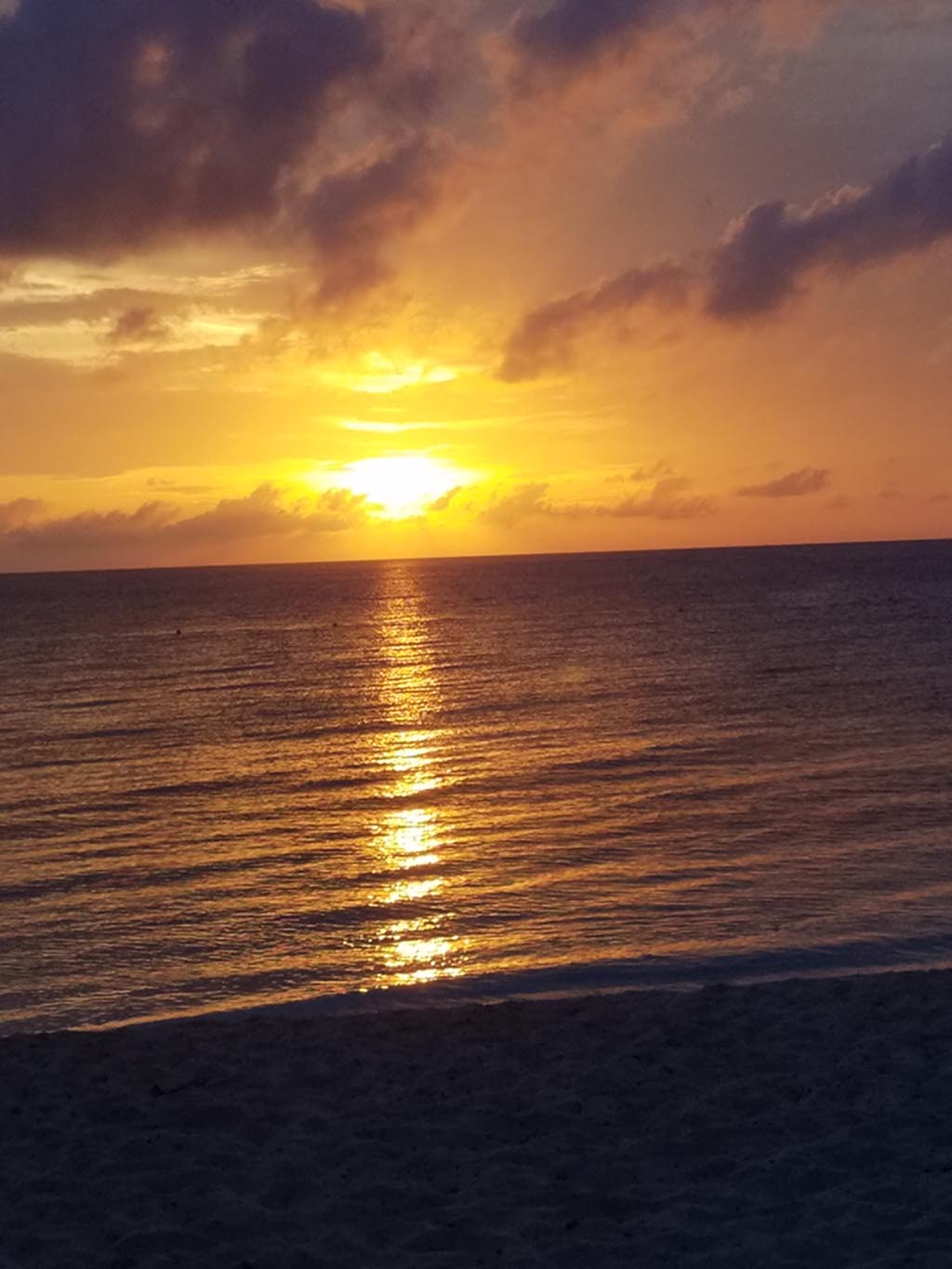
Sunshine, Smiles and Island Life — Some Assembly Required
An Introduction to Life on this Island.
By José Villalvazo

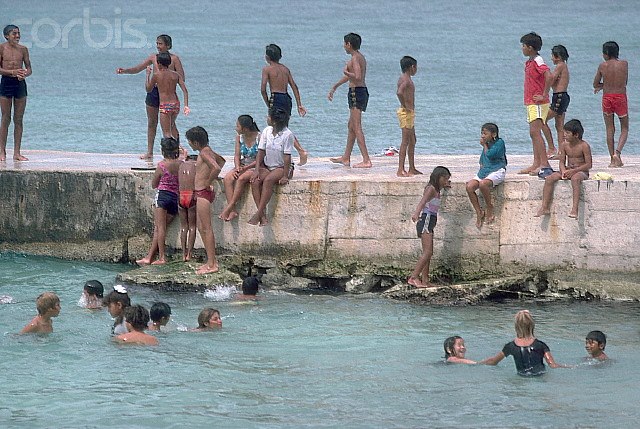
I arrived in Cozumel in 1983.
One radio station. One TV channel — when it worked. Two movie theaters. One cruise ship pier. One real estate operation on the entire island, run by a man named Jim Steel. The first ferry to the mainland left at four in the morning. If you missed it, you waited.
65th Avenue was the end of civilization. Beyond it, the island simply continued on its own terms.
For education, there was one private primary school, two secondary schools, and a technical high school. After that, if you wanted to keep studying, you left. Most young people did. Most didn’t come back. The island raised its best and brightest and then quietly lost them to places that could offer what Cozumel couldn’t. Today there are two universities here. The pattern, however, hasn’t changed much. Families with resources still send their children to the mainland. Very few return. It remains one of the island’s quiet, unresolved challenges.
The nightlife, though? That was something else entirely. Carlos & Charlie’s, Scaramouche, Joe’s, Neptuno. Small places. Warm places. Places where everyone knew everyone, because on an island that size, there was simply no other way.
The foreign community was so small it didn’t have demographics. It had faces and names. One of them was Bruce Baldwin, who had brought his family here and built a life. There were very few others.
In those four decades I have been a student, an employee, an employer, and an entrepreneur. I directed a cultural theme and experience park that brought the richness of Mexico — its history, its traditions, its identity — to visitors arriving on this island. I presided over a federation of businessmen, built tourism operations, raised a family, and logged more dives than I care to count.
I was here when Hurricane Gilbert arrived in 1988.
Gilbert didn’t just damage buildings — it shifted the thinking of the people who ran this island’s economy. After the storm, Cozumel’s business community made a decision that was pragmatic, understandable, and far-reaching: embrace the cruise industry as the engine of recovery. The piers came. The passenger numbers came. Today approximately 4.6 million cruise passengers arrive annually, spending an average of four to five hours on the island.
Massification came too.
It is worth understanding that massification is simply a stage in the development of any tourism destination — not its final form, and certainly not its only option. The question that thoughtful people on this island are now asking is: what comes next? That question quietly runs through all ten of these articles.
There is one thing worth understanding before anything else.
To live on this island, you need to be comfortable with what is available around you. Cozumel is a microcosm — a self-contained world with its own pace and its own rules of supply. Some days the product you need simply isn’t here. The plumber who shows up may not be the most experienced in the world, but he will likely solve your problem, and on an island, that counts for a great deal. The people who find happiness here are generally the ones who learn to work with what the island offers, rather than searching for what it doesn’t
.
And when someone mentions that something will happen mañana, it helps to understand what that really means. It doesn’t mean tomorrow, exactly. It means not right now. Once you make peace with that, daily life becomes considerably more enjoyable.
One of the things I have observed over forty years is how differently people experience this place depending on the expectations they arrive with. Mexico has its own rhythms, its own institutions, its own way of relating between people and community. These are not better or worse than what you may be used to — they are simply different. The people who tend to build happy, lasting lives here are the ones who approach those differences with curiosity and patience rather than frustration.
The ones who struggle are usually the ones who arrived expecting things to eventually work the way they did back home. Frustration builds slowly in those cases. It finds its way into conversations and relationships and eventually into a general dissatisfaction with the island itself. It can lead to a kind of isolation that becomes hard to reverse.
None of that has to happen. And that, in many ways, is what this series of articles is about.
Living here as a foreigner works best when it is treated as a genuine relationship — one built on mutual respect. Respect for the culture, the people, the history, and the unwritten rules of island life. When that respect is present, Cozumel is an extraordinarily welcoming place.
The ten articles that follow cover what matters most to people building a life here. The cost of daily existence, legal residency, healthcare, property, hurricanes, safety, getting around, community, and the environment. They are written for the people already living on the island, for the people making everyday decisions, and for the ones still somewhere cold, wondering if this life might be for them.
To all of you, the same honest observation:
Cozumel is a place that will make you change. You may find yourself here, or you may lose yourself here. But you will not leave the same person who arrived.
Come with your eyes open. Come with patience. Come with respect.
The island will take care of the rest.
What’s the one thing about island life that still surprises you — even now?
Tell us in the comments. Every answer is different. Every one of them is true.
Next: Article 1 — The Real Cost of Living in Cozumel. Starting with your CFE bill.
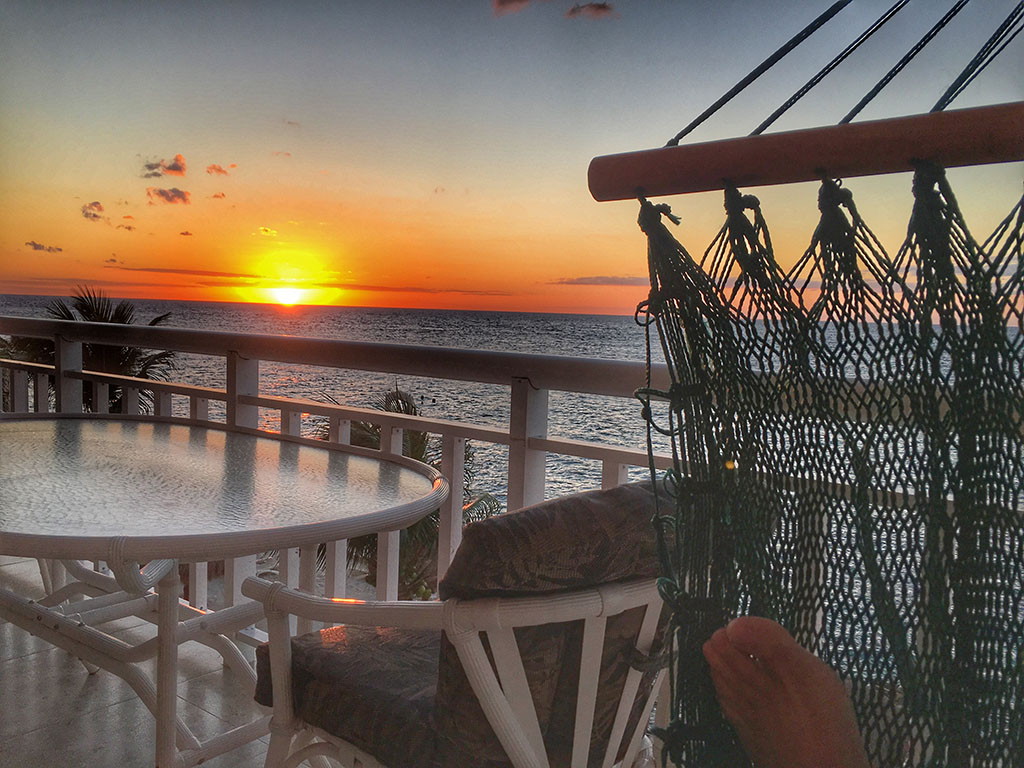
Sol, sonrisas y vida en la Isla. Se requiere un poco de esfuerzo.
Una introducción a la vida en esta isla.
Por José Villalvazo
Llegué a Cozumel en 1983.
Una emisora de radio. Un canal de televisión; cuando funcionaba. Dos cines. Un muelle para buques turísticos. Una sola agencia de bienes raíces en toda la Isla, a cargo de un hombre llamado Jim Steel. El primer ferry hacia el continente salía a las cuatro de la mañana. Si lo perdías, había que esperar.
La Avenida 65 era el fin de la civilización. Más allá de esto, la Isla simplemente continuaba bajo sus propios términos.
En cuanto a la educación, había una escuela primaria privada, dos institutos de secundaria y una escuela técnica superior. Después de eso, si querías seguir estudiando, te ibas. La mayoría de los jóvenes lo hacían. La mayoría no regresaba. La Isla formaba a sus mejores y más brillantes, y luego los perdía poco a poco pues se iban a lugares que podían ofrecer lo que Cozumel no podía. Hoy hay dos universidades. Sin embargo, el esquema no ha cambiado mucho. Las familias con recursos siguen enviando a sus hijos al continente. Muy pocos regresan. Sigue siendo uno de los retos silenciosos y sin resolver de la Isla.
Pero ¿y la vida nocturna? Eso era algo completamente distinto. Carlos & Charlie’s, Scaramouche, Joe’s, Neptuno. Locales pequeños. Locales acogedores. Lugares donde todo el mundo se conocía, porque en una Isla de ese tamaño, simplemente no podía ser de otra manera.
La comunidad extranjera era tan pequeña que no había datos demográficos. Tenía caras y nombres. Uno de ellos era Bruce Baldwin, quien trajo a su familia y se labró una vida. Había algunos más.
En estas cuatro décadas he sido estudiante, empleado, empresario y emprendedor. Dirigí un parque temático y de experiencias culturales que acercaba la riqueza de México, historia, tradiciones, identidad, a los visitantes que llegaban a esta Isla. Presidí una federación de empresarios, puse en marcha negocios turísticos, formé una familia y realicé más inmersiones de las que puedo contar.
Estaba aquí cuando llegó el huracán Gilberto en 1988.
Gilberto no solo dañó edificios, sino que cambió la forma de pensar de las personas que dirigían la economía de esta Isla. Tras la tormenta, la comunidad empresarial de Cozumel tomó una decisión pragmática, comprensible y de gran alcance: adoptar la industria de los buques turísticos como motor de la recuperación. Llegaron los muelles. Llegaron los pasajeros. Hoy en día llegan aproximadamente 4.6 millones de pasajeros de buques al año, que en promedio permanecen en la Isla de cuatro a cinco horas.
También llegó la masificación.
Vale la pena comprender que la masificación no es más que una etapa en el desarrollo de cualquier destino turístico, no su forma definitiva y, desde luego, tampoco su única opción. La pregunta que se plantean ahora las personas reflexivas de esta Isla es: ¿qué vendrá después? Esa pregunta recorre silenciosamente los diez artículos de esta serie.
Hay algo que conviene entender antes que nada.
Para vivir en esta Isla, hay que sentirse a gusto con lo que hay a tu alrededor. Cozumel es un microcosmos: un mundo autónomo con su propio ritmo y sus propias reglas de oferta. Hay días en los que el producto que necesitas no lo hay en existencia. Puede ser que el plomero que se presente no sea el más experto del mundo, pero quizá resuelva el problema; y eso, en una isla, es muy importante. Las personas que aquí encuentran la felicidad son, por lo general, quienes aprenden a trabajar con lo que ofrece la Isla, en lugar de ir en busca de lo que no tiene.
Y cuando alguien menciona que algo sucederá ‘mañana’, sirve entender lo que eso realmente significa. No no se refiere justo a que sea ‘mañana’. Significa ‘no es en este instante’. Una vez que aceptas eso, la vida cotidiana se vuelve mucho más agradable.
Una de las cosas que he observado a lo largo de cuarenta años es lo diferente que es la forma en que cada persona vive este lugar, dependiendo de las expectativas con las que llega. México tiene sus propios ritmos, sus propias instituciones, su propia forma de relacionarse entre personas y la comunidad. No son mejores ni peores que a lo que estés acostumbrado; simplemente son diferentes. Las personas que aquí crean una vida feliz y duradera son aquellas que abordan esas diferencias con curiosidad y paciencia, en lugar de hacerlo con frustración.
Quienes tienen dificultades suelen ser aquellos que llegaron con la expectativa de que las cosas acabarán funcionando como en su país. En esos casos, la frustración va acumulándose poco a poco. Se refleja en las conversaciones y en las relaciones y, con el tiempo, se convierte en una insatisfacción generalizada con la propia Isla. Puede conducir a una especie de aislamiento que resulta difícil de revertir.
Nada de eso tiene por qué suceder. Y de eso, en muchos sentidos, trata esta serie de artículos.
Vivir aquí como extranjero funciona mejor cuando se trata como una relación genuina, basada en el respeto mutuo. Respeto por la cultura, por la gente, la historia y las reglas no escritas de la vida en la Isla. Cuando ese respeto está presente, Cozumel es un lugar extraordinariamente acogedor.
Los diez artículos que siguen abordan lo que más importa a las personas que construyen una vida aquí. El costo de la vida diaria, la residencia legal, la atención médica, la propiedad, los huracanes, la seguridad, desplazarse, la comunidad y el medio ambiente. Están escritos para las personas que ya viven en la Isla; para las que toman decisiones a diario y para las que aún se encuentran en una situación de incertidumbre, preguntándose si esta vida podría ser para ellos.
Para todos ustedes, hago la misma observación sincera:
Cozumel es un lugar que te hará cambiar. Puede que aquí te encuentres a ti mismo, o puede que aquí te pierdas. Pero no te irás siendo la misma persona que llegó.
Ven con los ojos bien abiertos. Ven con paciencia. Ven con respeto.
La Isla se encargará del resto.
¿Qué es lo que más te sigue sorprendiendo de la vida en la Isla, incluso ahora?
Cuéntanos en los comentarios. Cada respuesta es diferente. Todas ellas son ciertas.
Siguiente: Artículo 1 — El costo real de vivir en Cozumel, empezando por tu factura de la CFE.

- Cozumel Ex Pat Living - September 4, 2026
- Retiring Cozumel - August 21, 2026
- Cozumel Transportation - August 7, 2026




Subscribe to Our Newsletter
Bringing You the Bright Side of Cozumel Every Week

Mexican Women History Antonia Nava de Catalán
Mexican Women History Antonia Nava de Catalán Mexican women who made history...
Cozumel Firefighter Hero
Local Hero Cozumel Firefighter Foils Robbery A firefighter helped stop an alleged...
Open Casting Call Cozumel
Open Casting Call for Cozumel Hotel & Restaurant Group CASTING CALL: Looking...










Leave a comment