


The Whole Island Is Your House
By José Villalvazo
*This is the tenth and last of ten articles about what life on Cozumel is actually like, told by the people who live it every day.*
—
Mostly I’ve been writing for one person. The one who’s three months in, sitting in a rented house with the fan going, quietly wondering whether they’ve made an expensive mistake. If that’s you, you’re not doing it wrong. You’re doing the part nobody photographs.
And some of you have been here longer than I’ve been writing about it. You already knew all of this. You read it anyway, and corrected me where I got it wrong, and that’s its own kind of welcome.
This is the last one. Nothing in it will help you find a plumber.
We’ve covered the practical ground — what things cost, what breaks, what the water does to a car, who to call and who to pay. If you’ve read the other nine, you have more than most people had when they got off the plane.
So let me use the last one to tell you what all of it was actually about.
—
Three Things That Survive
If everything else I’ve written turns out to be wrong, or out of date, or true only until the next hurricane season, these three will still be standing.
**This island is a microcosm.** You do with what’s available. Everything here arrived on a boat, including the boat. The selection is smaller, the specialist is on the mainland, and the part you need is coming Thursday.
Not this Thursday, necessarily. Thursday is less a day here than a general direction.
Learning to work inside that, without resentment, is most of what living here teaches a person. The ones who never learn it spend years angry at an island for being an island.
**Mañana does not mean tomorrow. It means not now.** Everyone repeats this. Almost nobody internalizes it.
It is not a promise and it is not a lie. It’s closer to a weather forecast — broadly indicative, occasionally accurate, and considerably more pleasant if you stop checking it every hour.
Fighting it is the single most exhausting thing a foreigner can do here. I’ve watched people spend a decade at it, losing every round, complaining the entire time.
**And respect is the foundation.** That’s what all nine articles were circling.
Respect for the water, which does not care how strong a swimmer you are. For the weather, which will take your windows before it takes your roof.
For the people who were here long before you, and will be here long after.
For the woman who cleans your house — whose name you should know, and whose pay should never be late.
And for the fact that this is somebody’s home. Several generations of somebodies. Not a retirement product you purchased.
Everything else in these ten articles is technique. This is the thing underneath it.
—
The Whole Island Is Your House
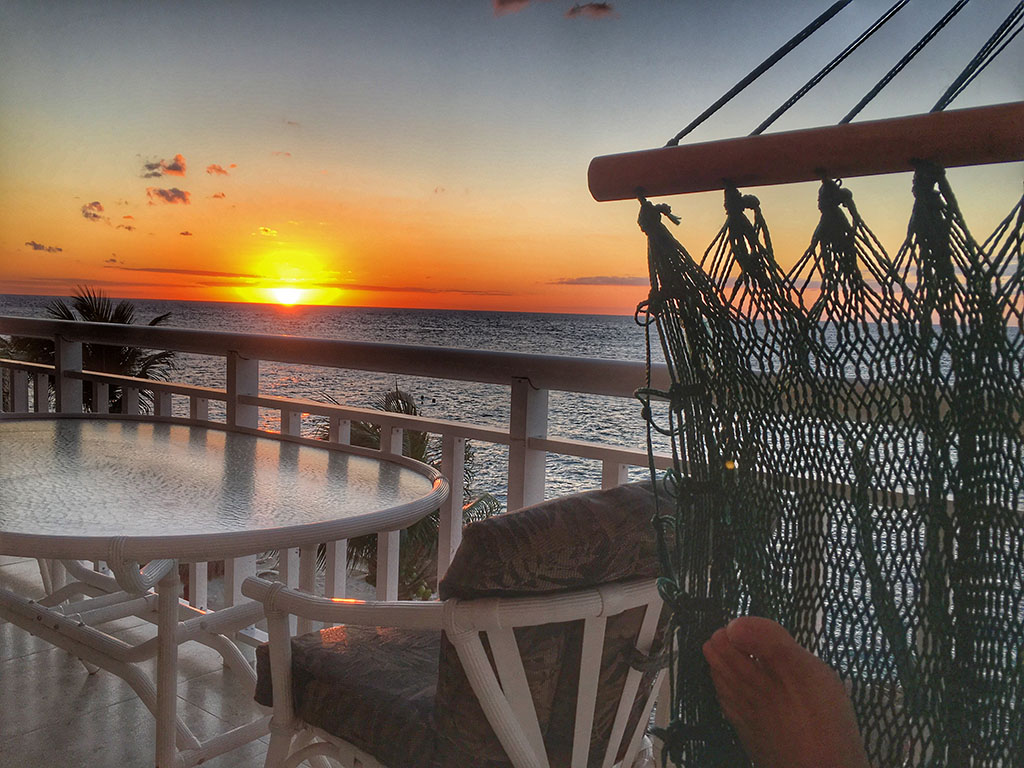
Here’s what I’ve never written down before, and it took me about thirty years to understand.
You don’t live in a house on this island. You live in a house *that is* the island.
Your house is only your bedroom. It’s where you sleep and keep your things, and that’s genuinely all it is.
The beaches are your living room. And I mean that literally — go to one on a Tuesday afternoon in September and there will be nobody on it. Not fewer people. Nobody. You’ll have a few hundred meters of Caribbean to yourself and no particular reason to be there, which is exactly the point of a living room.
The restaurants are your dining room — and yes, there are two menus in that room, one for visitors and one for people who live here. Learning which one you’re being handed is part of moving in. There’s a particular quiet moment, somewhere around year three, when you realize how long you’ve been handed the wrong one. Everybody has it. Nobody enjoys it.
And the seawall at sunset is the entertainment room. It costs nothing, it runs every single evening, and the same people are in it week after week — families with strollers, couples who’ve been coming for thirty years, kids on bikes, somebody selling something, all of them watching the same thing go down over the water.
Once you see the island this way, a lot of the previous nine articles stop being separate subjects. Getting around isn’t transport — it’s how you walk from one room to another. The distance-from-water price rule isn’t economics — it’s which part of the house you happen to be standing in. Finding your people isn’t a social project — it’s noticing that you share a home with a hundred thousand others.
This is also why the people who stay indoors here never quite make it. They bought a bedroom and called it a life.
—
What I Left Out
Ten articles is not a complete manual, and I want to be honest about the holes.
I didn’t write about schools, which matters enormously if you’re coming with children. I didn’t cover banking, or working remotely from here, or what it takes to actually learn Spanish rather than talk about learning it. I barely touched the reef, which is the reason a great many of you first came, and which deserves better than a paragraph.
And I never wrote about the hardest part, which is what it costs to have your family somewhere else. Birthdays you hear about afterward. The phone call at the wrong hour. Everyone here has made that trade, and almost nobody says it out loud.
Ask about these things in the places where people ask things here. Somebody who knows more than I do will answer you.
—
What I Got Wrong
Forty-two years, and I would have bet wrong twice.
I never imagined what the mainland would become. When I got here, Cancún was barely a thing and the coast south of it was jungle and a few fishing towns. If you’d told me what that stretch of shoreline would turn into, I’d have laughed at you. I underestimated it completely.
And I assumed this island would follow. That we’d grow the way the state grew, at the same speed and in the same direction.
The growth I once expected would have taken that. Being wrong about it is the reason there’s still something here worth ten articles.
We didn’t. Cozumel has not grown anywhere near as fast as the rest of Quintana Roo. For years I thought of that as something we’d missed.
I was wrong about that too, and it’s the luckiest thing that’s happened to this island.
Whatever swept the coast did not sweep here at the same scale. We changed — the cruise business made sure of that, and I won’t pretend the island I arrived on is the island you’re arriving on. But it stayed recognizably itself. It stayed a place with an entertainment room where the same faces show up at sunset.
—
The Butterflies

Here’s how I know I’m still in the right place.
You can leave this island for two months. You can leave it for six hours — a run to Playa for something you can’t get here, over on the morning boat and back in the afternoon.
It makes no difference. Coming back, when the island comes up in front of you, I still get butterflies in my stomach.
Forty-two years. A shopping trip. Butterflies.
I’ve never lost it, and I’ve stopped expecting to.
And if you want a test more honest than any budget or checklist in these ten articles, that’s it. Not whether you can afford it. Not whether you cleared the visa. Whether the island still does that to you when you come home to it.
Because if it stops — and for some people it does stop — then you’re finished here, whether you’ve admitted it yet or not. That’s not a failure. Some people get five wonderful years and then it’s over, and leaving well is better than staying resentfully.
But nobody leaves this island the way they arrived. Not one person, in forty-two years. Whatever the island gives you, you take it with you.
Respect is what you owe this place. The butterflies are what it gives back.
—
I still get the butterflies.
I hope one day you do too.
—
*José Villalvazo has lived in Cozumel since 1983. Over four decades he has been a student, entrepreneur, director of a cultural and experiences theme park, president of a federation of businessmen, tourism excursion developer, and diver. He writes from experience, not from a brochure.*
Toda la isla es tu casa
Por José Villalvazo
Este es el décimo y último artículo sobre cómo es realmente la vida en Cozumel, contada por la gente que la vive todos los días.
Casi todo este tiempo le he estado escribiendo a una sola persona. A esa que lleva tres meses aquí, sentada en una casa rentada con el ventilador prendido, preguntándose en silencio si habrá cometido un error muy caro. Si ese eres tú, no lo estás haciendo mal. Estás viviendo la parte que nadie fotografía.
Y algunos de ustedes llevan aquí más tiempo del que tengo yo escribiendo sobre esto. Ya sabían todo esto. Como quiera lo leyeron, y me corrigieron en lo que me equivoqué, y eso es una forma muy propia de dar la bienvenida.
Este es el último. Nada de lo que hay aquí te va a ayudar a encontrar un plomero.
Ya cubrimos la parte práctica: cuánto cuestan las cosas, qué se descompone, qué le hace el agua a un carro, a quién hay que hablarle y a quién hay que pagarle. Si leíste los otros nueve, sabes más de lo que la mayoría sabía cuando se bajaba del avión.
Déjenme usar este último para contarles de qué se trataba todo esto en realidad.
Tres cosas que sobreviven
Si todo lo demás que he escrito resulta estar equivocado, desactualizado o ser verdad solo hasta la próxima temporada de huracanes, estas tres cosas van a seguir de pie.
Esta isla es un microcosmos. Te las arreglas con lo que hay. Todo aquí llegó en un barco, incluido el barco. La variedad es más chica, el especialista está en el macizo continental y la pieza que necesitas llega el jueves.
No necesariamente este jueves. Aquí el jueves es menos un día y más una dirección general.
Aprender a trabajar con eso, sin coraje, es gran parte de lo que vivir aquí le enseña a uno. Los que nunca lo aprenden se pasan años enojados con una isla por ser una isla.
Mañana no significa tomorrow. Significa “ahorita no”. Todo el mundo repite esto. Casi nadie lo interioriza.
No es una promesa y no es una mentira. Se parece más al pronóstico del tiempo: da una idea general, a veces le atina y es bastante más agradable si dejas de revisarlo cada hora.
Pelearse con eso es lo más cansado que un extranjero puede hacer aquí. He visto gente pasarse diez años en eso, perdiendo todas las rondas y quejándose todo el tiempo.
Y el respeto es la base. De eso hablaban los nueve artículos.
Respeto por el agua, a la que le da igual qué tan buen nadador seas. Por el clima, que te va a volar las ventanas antes de quitarte el techo.
Por la gente que estuvo aquí mucho antes que tú y va a seguir aquí mucho después.
Por la señora que hace la limpieza en tu casa, a la que debes conocer por su nombre y a la que nunca se le debe pagar tarde.
Y por el hecho de que esto es la casa de alguien. De varias generaciones de algunos. No es un producto de retiro que compraste.
Todo lo demás en estos diez artículos es técnica. Esto es lo que está por debajo.
Toda la isla es tu casa
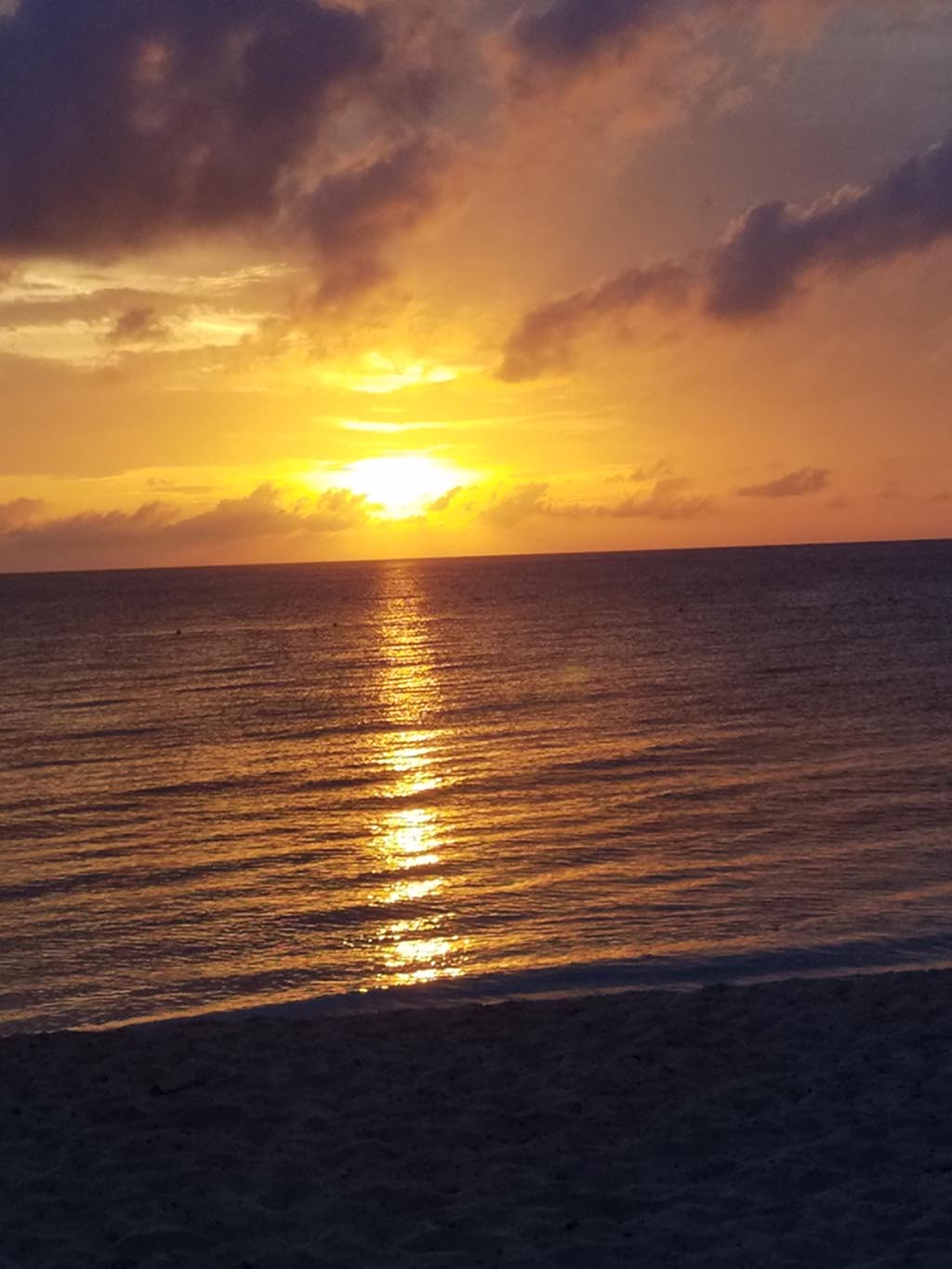
Esto es lo que nunca había escrito, y me tomó como treinta años entenderlo.
No vives en una casa en esta isla. Vives en una casa que es la isla.
Tu casa es solo tu recámara. Es donde duermes y guardas tus cosas, y la verdad es solo eso.
Las playas son tu sala. Y lo digo en serio: ve a una un martes en la tarde de septiembre y no va a haber nadie. No menos gente. Nadie. Vas a tener unos cuantos cientos de metros de Caribe para ti solo y ninguna razón en particular para estar ahí, que es exactamente el chiste de una sala.
Los restaurantes son tu comedor, y sí, en ese cuarto hay dos menús: uno para los visitantes y otro para los que vivimos aquí. Aprender cuál te están dando es parte de mudarse. Hay un momento de tranquilidad, por ahí del tercer año, en el que te das cuenta de cuánto tiempo te han estado dando el equivocado. A todos les pasa. A nadie le gusta.
Y el malecón al atardecer es la sala de entretenimiento. No cuesta nada, pasa todas las tardes y en él se ve a la misma gente semana tras semana: familias con carriolas, parejas que llevan treinta años viniendo, chavos en bicicleta, alguien vendiendo algo, todos viendo lo mismo perderse en el agua.
Una vez que ves la isla así, muchos de los nueve artículos anteriores dejan de ser temas separados. Moverse no es transporte; es cómo caminas de un cuarto a otro. La regla del precio según la distancia al agua no es economía; es en qué parte de la casa te toca estar parado. Encontrar a tu gente no es un proyecto social; es darte cuenta de que compartes hogar con otros cien mil.
Por eso también los que se la pasan encerrados aquí nunca terminan de encajar. Compraron una recámara y le llamaron vida.
Lo que dejé fuera
Diez artículos no son un manual completo, y quiero ser honesto con lo que faltó.
No hablé de las escuelas, lo cual importa muchísimo si vienes con niños. No cubrí los bancos, ni trabajar a distancia desde aquí, ni lo que se necesita para aprender español de verdad en vez de solo decir que lo estás aprendiendo. Apenas y toqué el arrecife, que es la razón por la que muchos de ustedes vinieron por primera vez y que se merece algo mejor que un párrafo.
Y nunca escribí sobre la parte más difícil, que es lo que cuesta tener a tu familia en otra parte. Los cumpleaños de los que te enteras después. La llamada a deshora. Todos aquí han hecho ese trato, y casi nadie lo dice en voz alta.
Pregunta por estas cosas en los lugares donde la gente pregunta cosas aquí. Alguien que sabe más que yo te va a responder.
En qué me equivoqué
Cuarenta y dos años, y habría apostado mal dos veces.
Nunca me imaginé en qué se iba a convertir tierra firme. Cuando llegué, Cancún apenas era algo y la costa al sur era selva y unos cuantos pueblos de pescadores. Si me hubieras dicho en qué iba a terminar toda esa franja de playa, me habría reído en tu cara. Lo subestimé por completo.
Y asumí que esta isla iba a seguir el mismo camino. Que íbamos a crecer como creció el estado, al mismo ritmo y para el mismo lado.
No fue así. Cozumel no ha crecido ni tantito al mismo ritmo que el resto de Quintana Roo. Por años pensé que eso era algo que nos habíamos perdido.
También me equivoqué en eso, y es lo más afortunado que le ha pasado a esta isla.
Lo que arrasó con la costa no arrasó aquí al mismo nivel. Cambiamos —los cruceros se aseguraron de eso, y no voy a fingir que la isla a la que llegué es la isla a la que estás llegando tú—. Pero se mantuvo reconociblemente ella misma. Siguió siendo un lugar con una sala de entretenimiento donde las mismas caras se asoman al atardecer.
El crecimiento que alguna vez esperé se habría llevado eso. Estar equivocado es la razón por la que todavía hay aquí algo que vale diez artículos.
Las mariposas

Así es como sé que sigo en el lugar correcto.
Puedes irte de la isla dos meses. Puedes irte seis horas: una escapada a Playa del Carmen por algo que no encuentras aquí, te vas en el barco de la mañana y regresas en la tarde.
Da igual. Al volver, cuando la isla empieza a verse enfrente de ti, todavía me dan mariposas en el estómago.
Cuarenta y dos años. Una vuelta de compras. Mariposas.
Nunca se me ha quitado, y ya dejé de esperar que pase.
Y si quieres una prueba más honesta que cualquier presupuesto o lista de estos diez artículos, es esa. No si lo puedes pagar. No si arreglaste tu visa. Si la isla todavía te hace eso cuando regresas a tu casa.
Porque si se detiene —y para algunos se detiene— entonces hasta ahí llegaste, lo hayas admitido o no. Eso no es un fracaso. A algunos les tocan cinco años maravillosos y se acaba, y es mejor irse bien que quedarse a fuerzas con coraje.
Pero nadie se va de esta isla igual a como llegó. Ni una sola persona, en cuarenta y dos años. Lo que sea que la isla te dé, te lo llevas contigo.
El respeto es lo que le debes a este lugar. Las mariposas son lo que te regresa.
A mí todavía me dan mariposas.
Espero que a ti también algún día.
José Villalvazo vive en Cozumel desde 1983. A lo largo de cuatro décadas ha sido estudiante, empresario, director de un parque temático de cultura y experiencias, presidente de una federación de empresarios, desarrollador de excursiones turísticas y buzo. Escribe desde la experiencia, no desde un folleto.






















Leave a comment