

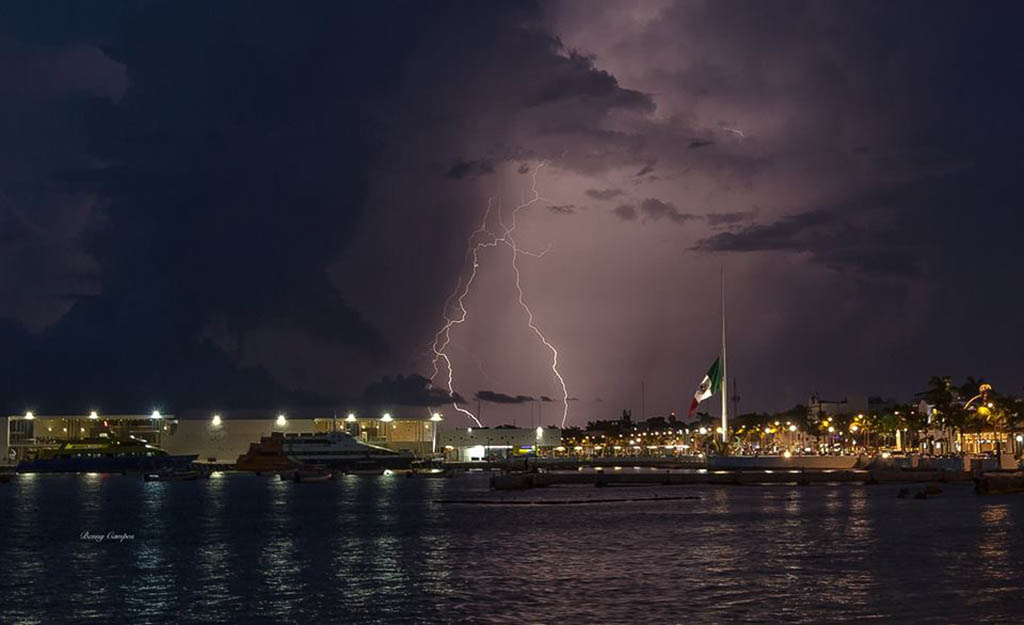
The Cordonazo de la Santa Cruz and extreme weather changes this weekend
The Cordonazo de la Santa Cruz is a weather event, typical of southeast Mexico, that traditionally occurs in
Mexico and some Latin American countries around May 3, or later. While sometimes it arrives on time, other
times it comes earlier and others, it does not come. It typically features very heavy rainfall, strong winds and, at
times, thunderstorms. The Cordonazo generates increased wave activity and, because it is a cold front, also
squalls with winds that can reach up to 100 km/h (62.13 mph), affecting coastal areas of Yucatán, Campeche
and Quintana Roo.
It is popularly believed that the event marks the beginning of the rainy season and is somehow associated with
the religious celebration of the Day of the Holy Cross (May 3 rd ), hence its name. The arrival of the Cordonazo de
la Santa Cruz gives rise to different beliefs and customs, such as praying for protection of the crops and
blessing the crosses in the fields.
This weather-related event is not only feared because the weather “lashes-out” suddenly but fishermen and
seafarers expect its arrival every year. Though this phenomenon is deemed a tradition, meteorologists explain
that it is basically a convective cell generated by the clash of hot air and residual cold air in this time of the
year, which causes strong winds, resulting in squalls and flooding, sometimes hail, in just a matter of minutes.
We should be expecting extremely hot temperatures this last weekend of April 2026 and beginning of May. The
heat in the State of Yucatán should be somewhere between 40-42 °C (104-107 o F) while some areas in Quintana Roo may be close to 38 o C and it is said that the constant moisture from the Caribbean Sea will feel like 50 °C
(122 o F).
Likewise, the Cordonazo de San Francisco is also part of the lore and occurs in the North Pacific Ocean around
October 4 in Mexico and Latin America, close to the Feast of St. Francis of Assisi. The word cordonazo in
Spanish derives from cordón, a rope worn by Spanish friars by the waist on their cassocks. Popular belief says
that St. Francis waves (lashes out) his rope to cleanse evil with water.
The recommendation this weekend to avoid a heatstroke is stay hydrated with water. Sodas and alcohol
dehydrate, wear sunscreen and have your umbrellas ready – just in case! So, watch out for beers that will wink
at you.
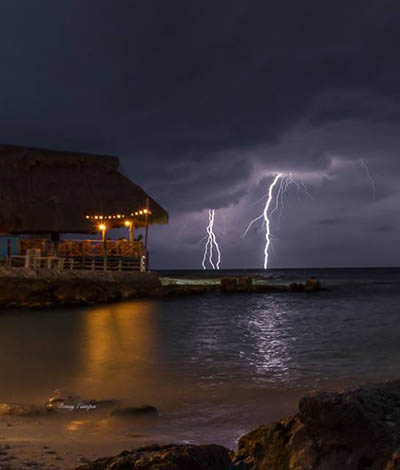
El Cordonazo de la Santa Cruz y los cambios meteorológicos extremos este fin de semana
El Cordonazo de la Santa Cruz es un fenómeno meteorológico típico del sureste mexicano que
tradicionalmente ocurre en México y en algunos países latinoamericanos alrededor del 3 de mayo o más tarde.
Mientras que a veces llega a muy puntual, en otras se adelanta y, a veces no llega. Suele caracterizarse por
lluvias muy intensas, vientos fuertes y, en ocasiones, tormentas eléctricas. El Cordonazo genera una mayor
actividad de oleaje y, al tratarse de un frente frío, las rachas de viento pueden alcanzar hasta 100 km/h (62.13
mph), afectando a las zonas costeras de Yucatán, Campeche y Quintana Roo.
La creencia popular es que el evento marca el inicio de la temporada de lluvias y que de alguna manera está
relacionado con la celebración religiosa del Día de la Santa Cruz (3 de mayo), de ahí su nombre. La llegada del
Cordonazo de la Santa Cruz da lugar a diferentes creencias y costumbres, como rezar por la protección de las
cosechas y bendecir las cruces en los campos.
Este fenómeno meteorológico no sólo es temido porque el tiempo “se desata” de repente, sino que pescadores
y marineros esperan su llegada cada año. Aunque este fenómeno se considera una tradición, los meteorólogos
explican que se trata básicamente de una célula convectiva generada por el choque entre el aire caliente y el
aire frío residual en esta época del año, provocando fuertes vientos fuertes, que dan lugar a borrascas e
inundaciones, a veces granizo, en sólo cuestión de minutos.
Este último fin de semana de abril de 2026 y principios de mayo se esperan temperaturas extremadamente
elevadas. El calor en el Estado de Yucatán se espera entre 40-42 °C (104-107°F), mientras que en algunas zonas
de Quintana Roo podría rondar los 38°C y se dice que la humedad constante del mar Caribe hará que la
sensación térmica alcance los 50 °C (122°F).
Asimismo, el Cordonazo de San Francisco también forma parte de la tradición y ocurre en el océano Pacífico
Norte alrededor del 4 de octubre en México y América Latina, cerca de la festividad de San Francisco de Asís. La
palabra cordonazo en español deriva de cordón, una cuerda que los frailes españoles llevaban atada a la cintura
de sus hábitos. La creencia popular dice que San Francisco agita (azota) su cuerda para purgar el mal con agua.
La recomendación para este fin de semana para evitar el golpe de calor es mantenerse hidratado con agua. Las
bebidas refrescantes y el alcohol deshidratan; haga uso del protector solar y tenga a mano el paraguas, ¡por si
acaso! Así que, ¡cuidadito con las cervezas que le estarán haciendo guiños!

Otra fugitiva de la Ciudad de México. Mónica ha hecho de Cozumel su hogar definitivo. Desde su llegada en 1981, trabajo en turismo en todos los lugares habituales: hoteles, buceo, aeropuerto, ferries, hasta que se abrió la oportunidad de desempeñarse en su campo. Desde finales de la década de los años 70 Mónica ha estado traduciendo e interpretando, dedicándose plenamente a ello a partir de 1998, y ha asistido a extranjeros y locales de la Isla a establecer su residencia y sus negocios. Es traductora con gran experiencia, ávida historiadora y una gran fuente de tradiciones y leyendas locales.
- The Cordonazo de la Santa Cruz - May 1, 2026
- Biometric Curp - April 10, 2026
- Benito Juarez - March 13, 2026






Subscribe to Our Newsletter
Bringing You the Bright Side of Cozumel Every Week


Cozumel News
Cozumel Commercial Sector Faces Severe Low Season: Businesses Opt for Temporary Closures....
Cozumel News
New Submarine Cable Projected for Cozumel, but Tender Declared Void for the...
Cozumel4You Community NEWS June
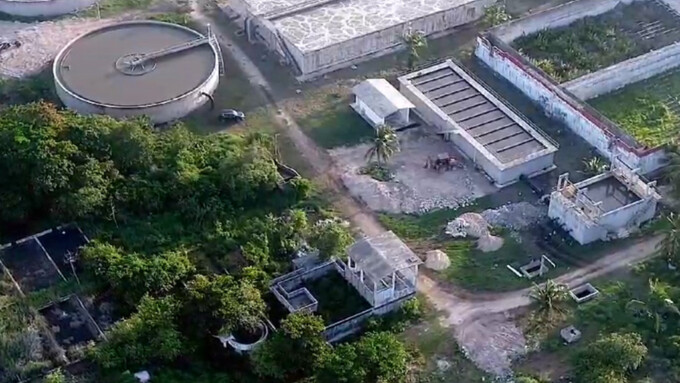
Public Investment in Cozumel 2026: Central Kiosk Project, San Miguelito Plant Capacity,...
Cozumel Firefighters
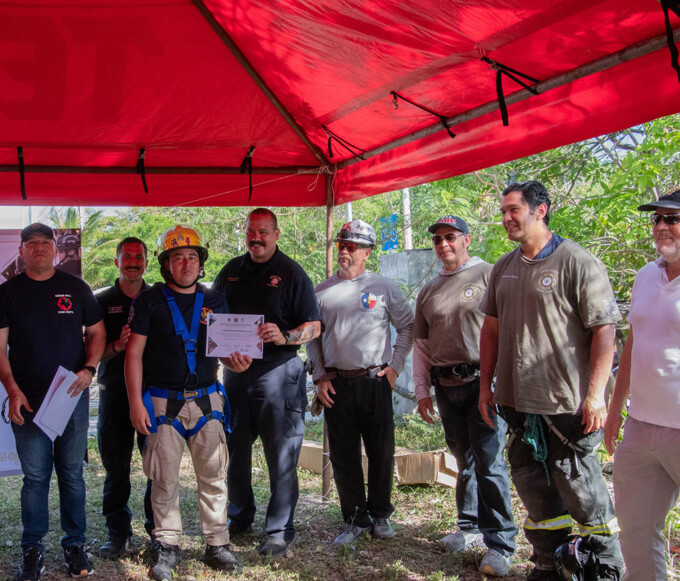
Cozumel Firefighters Complete “Rescate Con Cuerdos 2026” Cozumel’s firefighters, or Bomberos, recently...











Leave a comment