

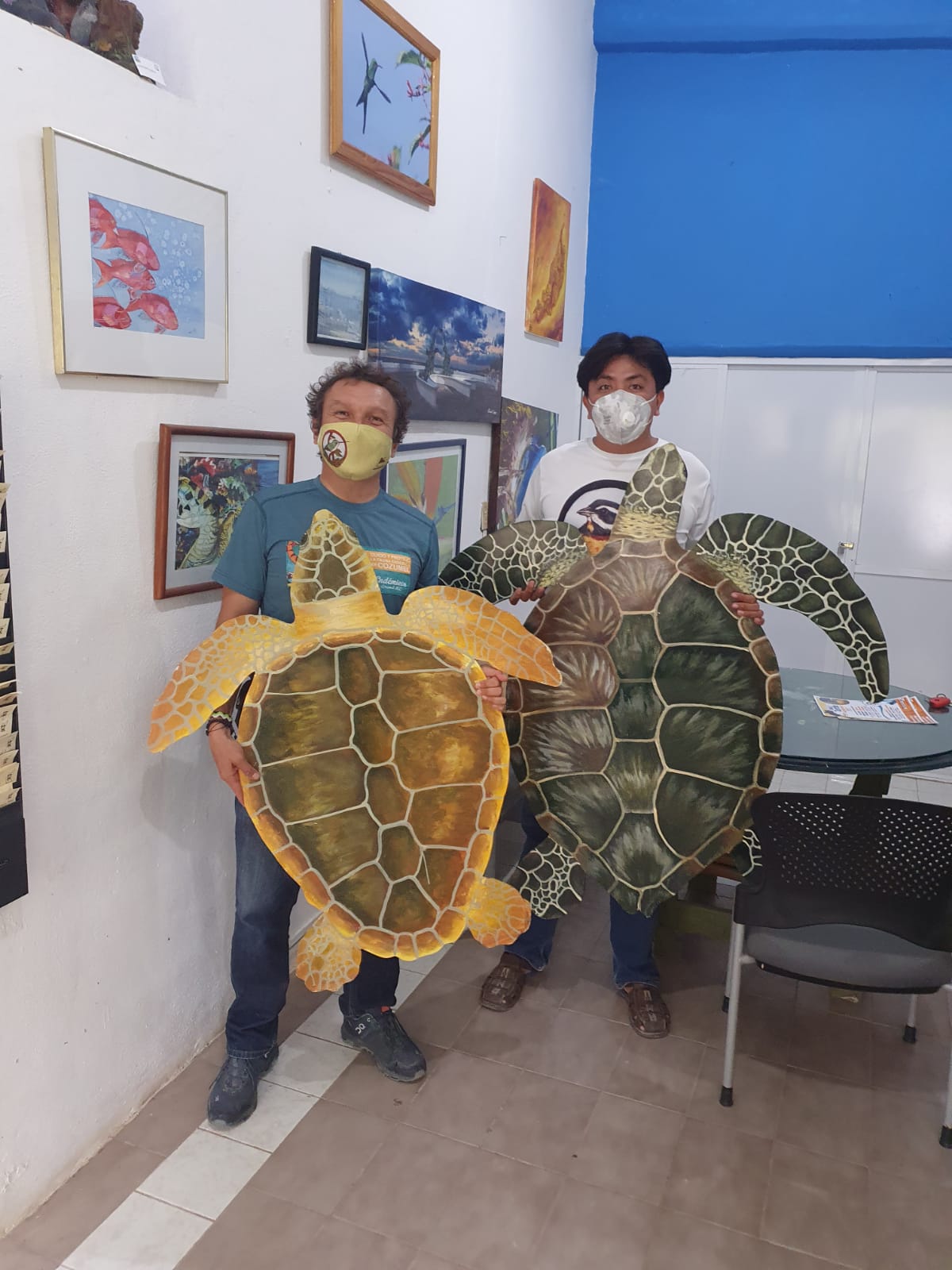
Cozumel’s Sea Turtle Nesting Season Is in Full Swing
Every summer, sea turtles return to Cozumel’s eastern beaches to begin one of nature’s oldest annual journeys.
After spending years at sea, female loggerhead and green turtles come ashore at night to lay their eggs—often returning to the same beaches where they were born.
The 2026 nesting season began in late April, when conservation teams recorded the island’s first loggerhead nest of the year.
From May through October—and sometimes into November—Cozumel’s beaches provide important nesting habitat for two of the Caribbean’s best-known sea turtle species: the loggerhead (Caretta caretta) and the green turtle (Chelonia mydas).
A female turtle usually digs a nest about half a meter deep and lays between 100 and 150 eggs. After covering the nest with sand, she returns to the ocean. The eggs typically incubate for 45 to 65 days before the hatchlings emerge and begin their race toward the sea.
Turtle Eggs Are Laid at Night
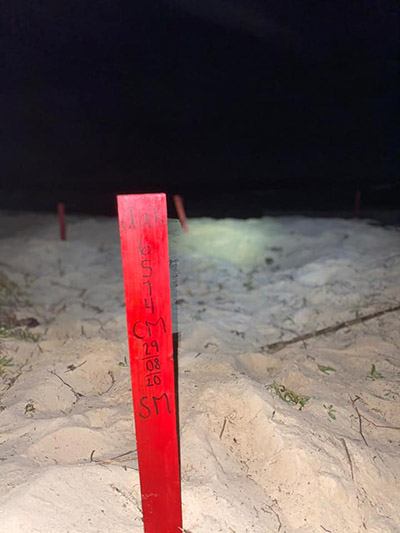
While much of the island is asleep, biologists, FPMC workers, and volunteers moniter Cozumel’s eastern beaches. They search for new nests, mark their locations, collect information, and protect the eggs from being accidentally disturbed.
Nests may need to be relocated because of erosion, flooding, or unusually high tides. A nesting female can also be disturbed by noise, movement, or bright lights. If she feels threatened, she may abandon her attempt to nest.
Years of monitoring, education, and habitat protection have helped make Cozumel’s turtle conservation program an important environmental success story. Sea turtles have been on Earth for more than 100 million years, but they now face serious threats. Coastal development, pollution, fishing gear, climate change, and the loss of nesting beaches all affect their survival, which is why their protection here in Cozumel is so vital, and every protected nest important.
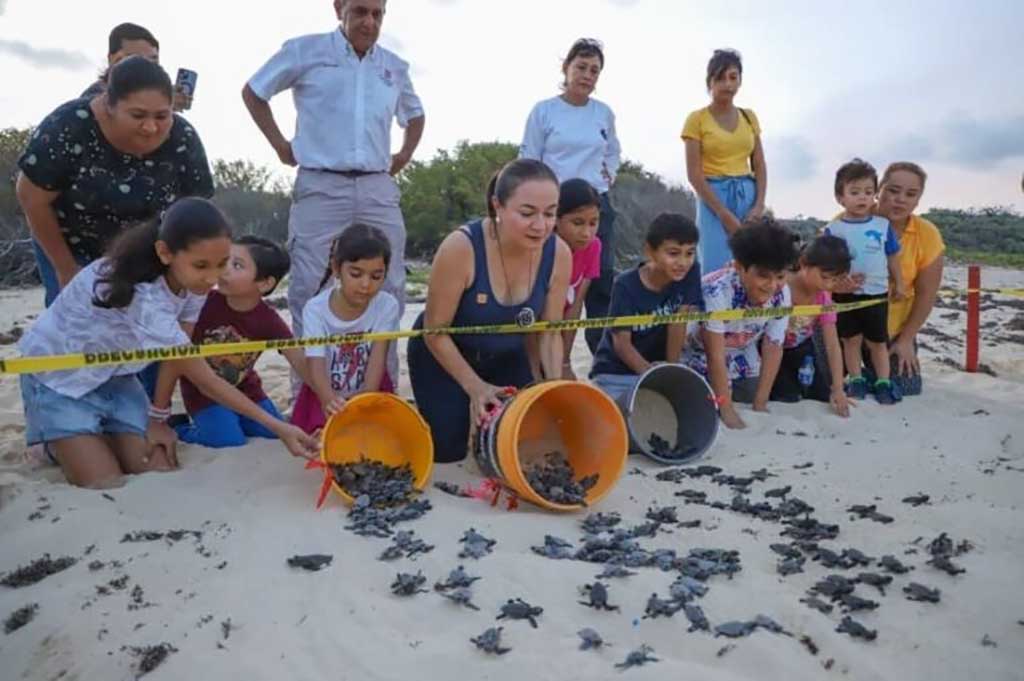
La temporada de anidación de las tortugas marinas en Cozumel está en pleno apogeo
Cada verano, las tortugas marinas regresan a las playas del extremo oriental de Cozumel para emprender uno de los viajes anuales más antiguos de la naturaleza.
Tras el paso de los años en el mar, las hembras de tortuga caguama y de la tortuga verde llegan a la costa por la noche para desovar y a menudo regresan a las mismas playas en las que nacieron.
La temporada de anidación de 2026 comenzó a finales de abril, cuando los equipos de conservación registraron el primer nido de tortuga boba del año en la Isla.
Desde mayo hasta octubre, y en ocasiones hasta noviembre, las playas de Cozumel ofrecen un importante hábitat de anidación para dos de las especies de tortugas marinas más conocidas del Caribe: la tortuga caguama (Caretta caretta) y la tortuga verde (Chelonia mydas).
Una tortuga hembra suele cavar un nido de alrededor de medio metro de profundidad y poner entre 100 y 150 huevos. Tras cubrir el nido con arena, regresa al océano. Los huevos suelen incubarse entre 45 y 65 días antes de que las crías salgan del cascarón y comiencen su carrera hacia el mar.
Las tortugas desovan sus huevos por la noche
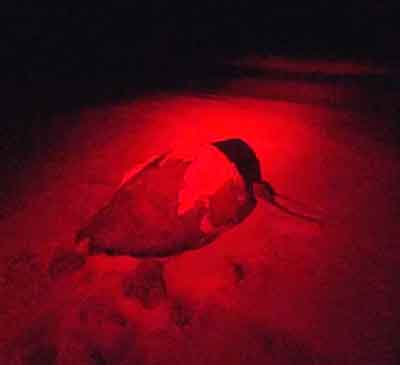
Mientras gran parte de la Isla duerme, biólogos, trabajadores del FPMC y voluntarios monitorean las playas al oriente de Cozumel. Buscan nuevos nidos, marcan su ubicación, recopilan información y protegen los huevos para que no sean alterados de manera accidental.
Es posible que sea necesario reubicar nidos debido a la erosión, las inundaciones o mareas inusualmente altas. Una hembra que está anidando también puede verse perturbada por el ruido, el movimiento o las luces intensas. Si se siente amenazada, puede abandonar su intento de anidar.
Años de monitoreo, educación y protección del hábitat han contribuido a que el programa de conservación de tortugas de Cozumel se haya convertido en un importante éxito medioambiental. Las tortugas marinas llevan más de 100 millones de años en la Tierra, pero ahora se enfrentan a graves amenazas. El desarrollo costero, la contaminación, el equipo de pesca, el cambio climático y la pérdida de playas de anidación afectan su supervivencia, por lo que su protección aquí en Cozumel es tan vital, y cada nido protegido es importante.

______________________________
Una ex yanqui de Connecticut quien llama hogar a Cozumel desde hace más de 15 años. Laura escapó al Caribe hace años, desplazándose de una isla a otra dando clases de BUCEO. Se dedicó a perder el tiempo en Jamaica y finalmente se detuvo en Cozumel para pasar unas vacaciones de 2 semanas que aún no terminan. Convenciendo a sus padres que pagaran una elegante universidad privada, obtuvo su título en Periodismo y Laura crea semanalmente Cozumel 4You, medios sociales y artículos promocionales sobre la Isla y también es moderadora en el grupo Cozumel 4 You en Facebook que actualmente cuenta con 25,000 miembros. Fabián, s umuy tolerante marido, desde hace mucho tiempo se resignó a no tener vida privada, pues se ha visto implicado en los diversos proyectos y planes que urde Laura. Son orgullosos padres de diversos perros y gatos rescatados. Mientras contempla su paso a través de la vida en el Caribe mexicano,Laura continúa siendo la pesadilla en la existencia de su muy tradicional suegra mexicana.
- Cozumel Seaweed 2026 - August 7, 2026
- Cozumel Turtle Season 2026 - August 7, 2026
- Cozumel 4 You NEWS - August 7, 2026





Subscribe to Our Newsletter
Bringing You the Bright Side of Cozumel Every Week


Cozumel Mangrove Restoration
Cozumel Hotels Lead by Example in Mangrove Restoration Effort The Cozumel Hotel...
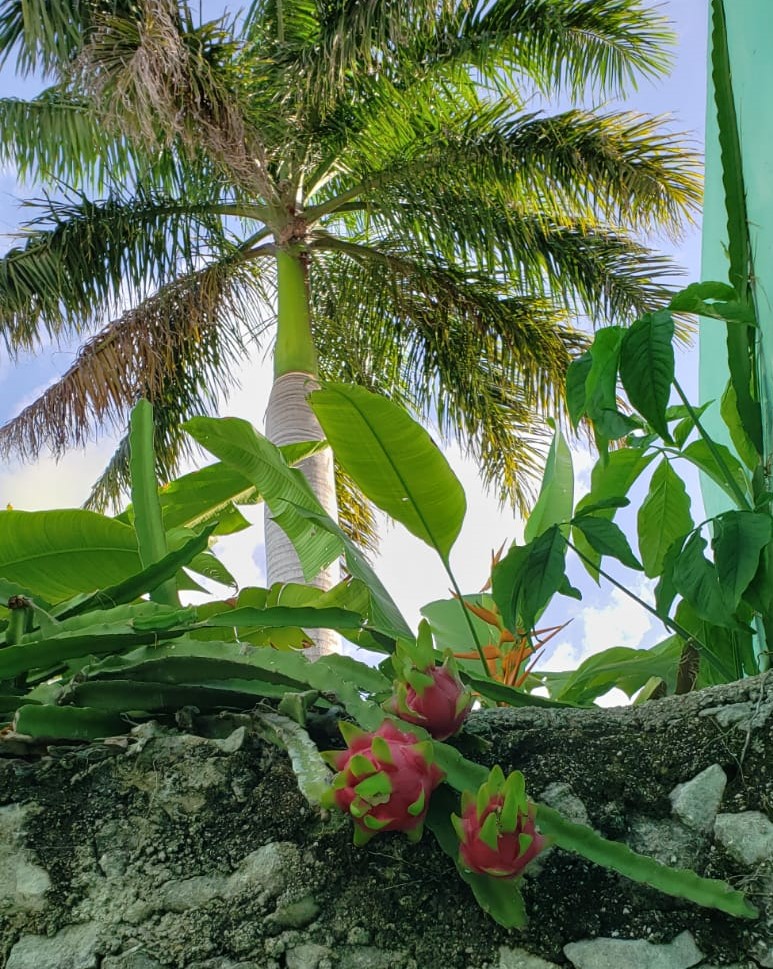
Cozumel Pitaya Season
Cozumel Pitaya Season Pitaya Season Has Arrived in Cozumel! Pitaya, also...











Leave a comment